
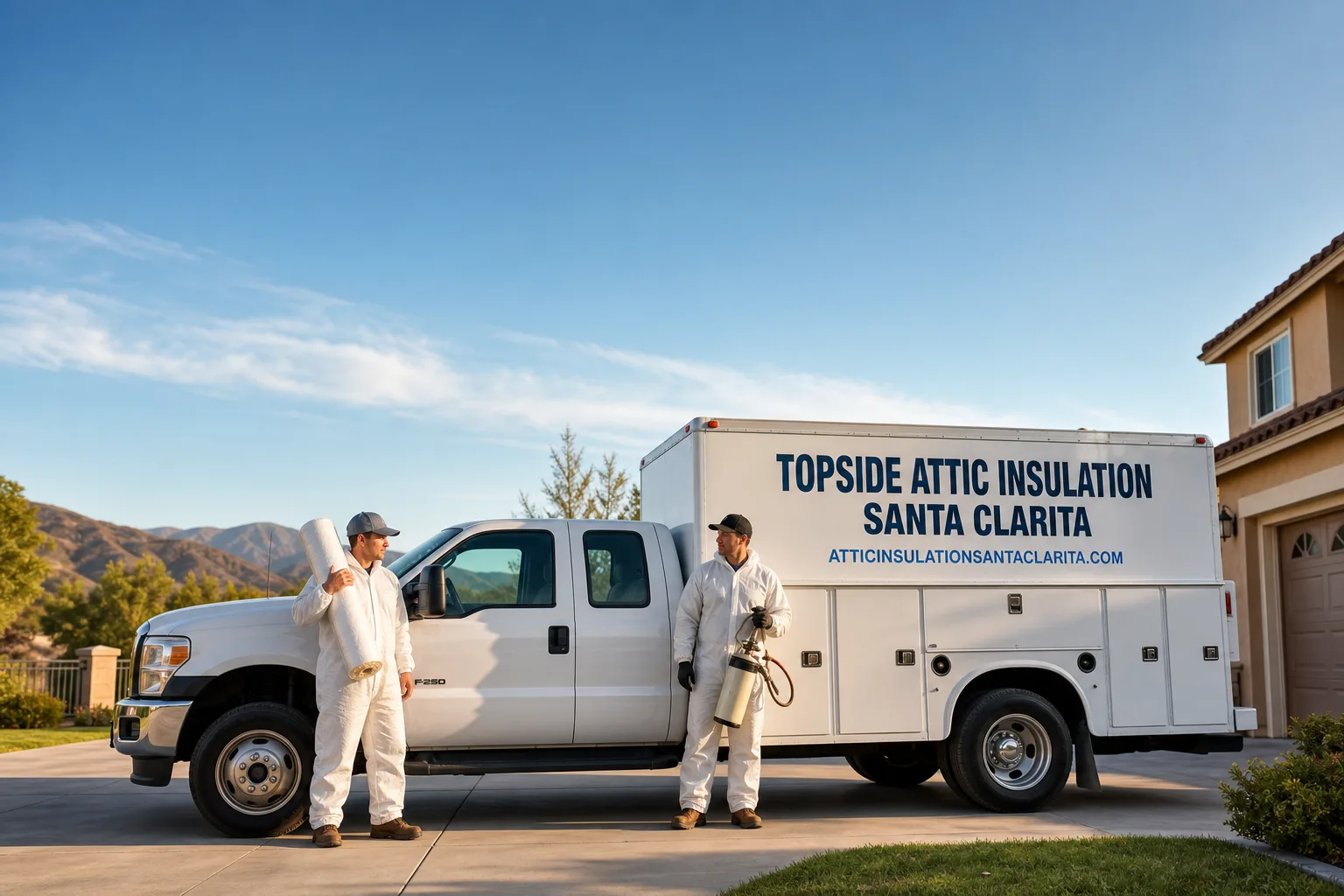
Fast, Reliable Blown-In Insulation Across Elizabeth Lake
Blown-in insulation in Elizabeth Lake typically runs $2,800-$5,500 for a full attic job and $1,800-$3,200 for a top-up, with most projects completed in a single day. We dispatch crews from our Los Angeles office and serve Elizabeth Lake properties directly, including manufactured homes off Elizabeth Lake Road, ranch-style houses near San Francisquito Canyon, and cabins along Bouquet Canyon. Call (747) 294-2764 for a written price before any work starts - that’s Haven Standard Clause 1, no exceptions.
Why Topside Attic Insulation Santa Clarita Is Elizabeth Lake’s Preferred Blown-In Insulation Company
We’ve sealed and insulated over 9,000 homes since 2016, and Elizabeth Lake’s mix of manufactured housing, pre-code ranch builds, and remote mountain cabins has taught us things no Palmdale or Lancaster contractor needs to know. The shallow roof cavities, thin belly boards, and propane heating systems here create failure modes that don’t show up in standard insulation training.
Our Elizabeth Lake customers leave reviews that mention the same details: the crew arrived on time, the written scope matched the work, and the before-and-after blower-door numbers proved what changed. We don’t ask anyone to trust us on feeling - we deliver a Documented Photo Record on every visit and publish blower-door readings on every applicable job so you can verify the result yourself.
Calls are answered by a live person 24/7. No voicemail loops, no callback windows measured in business days. Dispatch coordinates from our Los Angeles office, but the crew that arrives at your Elizabeth Lake property knows the area, knows the elevation effects on material performance, and knows that a propane tank running empty in January is not a minor inconvenience.
Our Blown-In Insulation Services in Elizabeth Lake
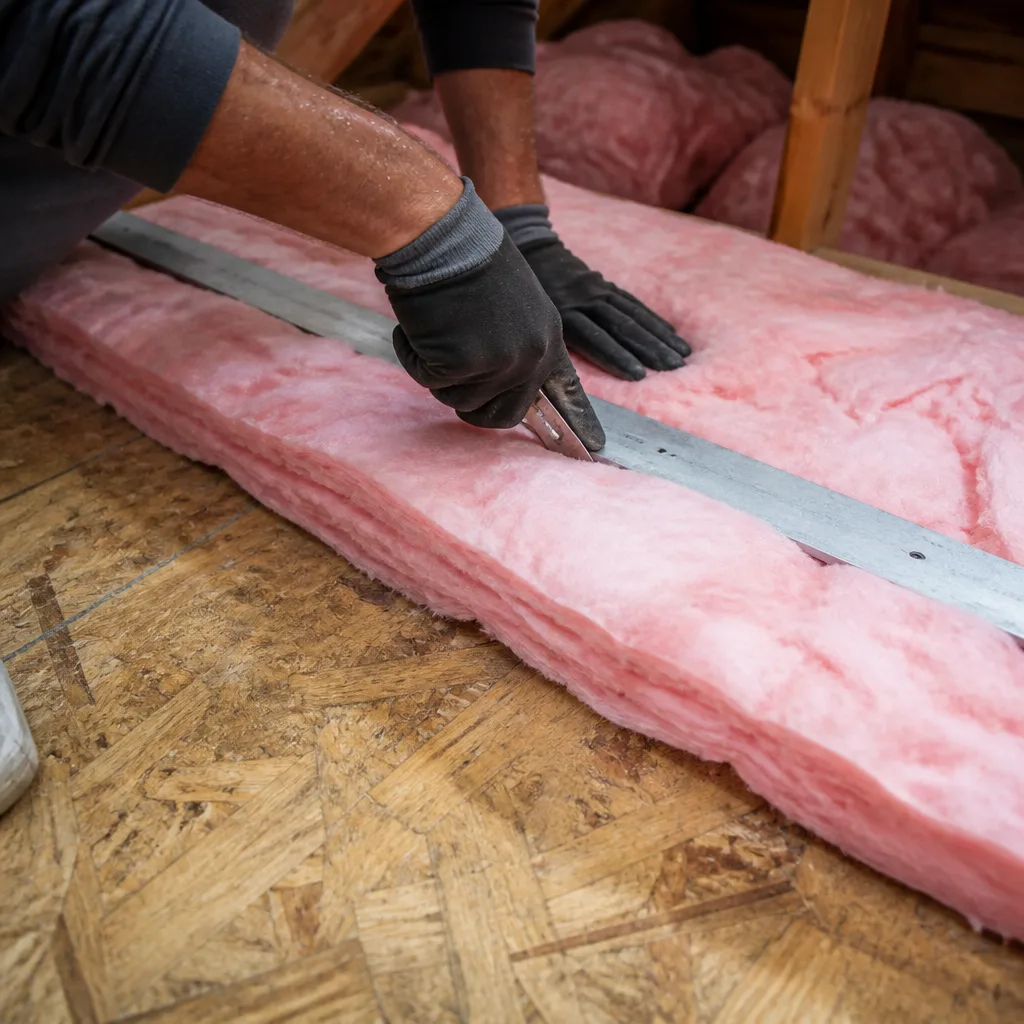
Blown-In Cellulose
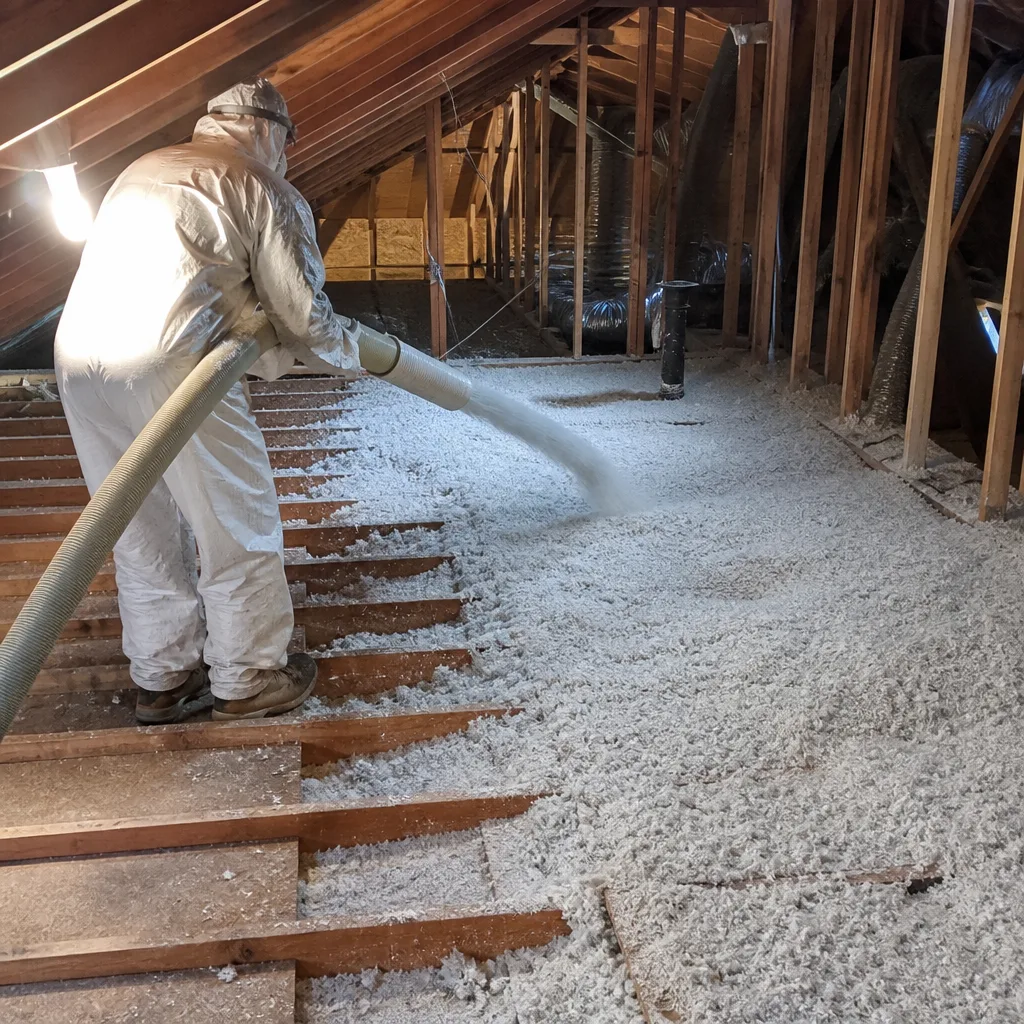
We install GreenFiber and Knauf cellulose to R-38 in Elizabeth Lake attics, but only after air sealing is complete. Cellulose performs well in this climate when it’s not being undermined by infiltration. The valley’s persistent afternoon winds will find every unsealed top plate and can-light penetration, so we seal first, then insulate - in that order, always. For manufactured homes with shallow roof cavities, we calculate compressed depth carefully; an inch less than spec and the R-value drops below what the propane bill will tolerate.
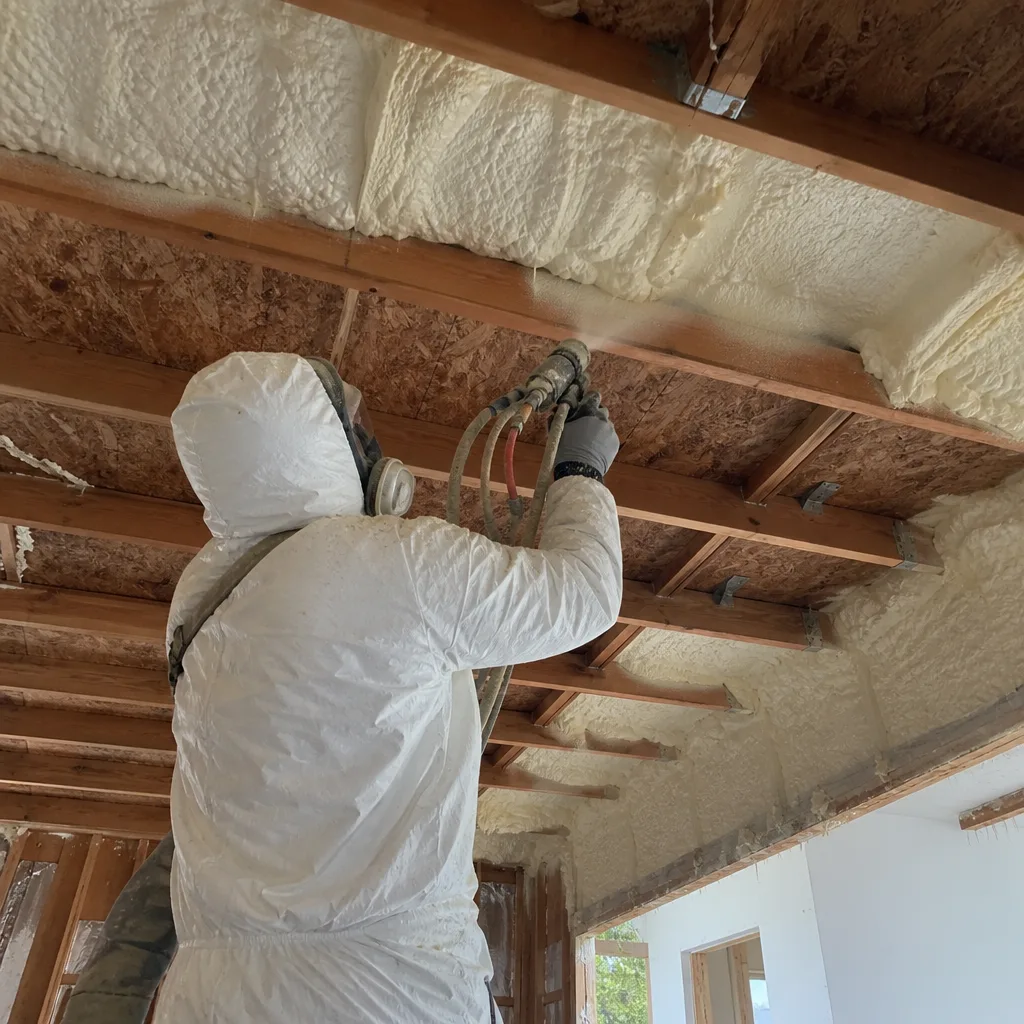
Blown-In Fiberglass
CertainTeed fiberglass works well in Elizabeth Lake’s older wood-frame ranch houses where attic floor framing is irregular and cellulose might settle into joist cavities unevenly. We blow to consistent depth markers and verify with probe measurements across the attic plane. In cabins with mixed insulation history - some batts, some blown, some missing entirely - fiberglass blends with existing material without the compression issues that can occur when cellulose meets degraded fiberglass.
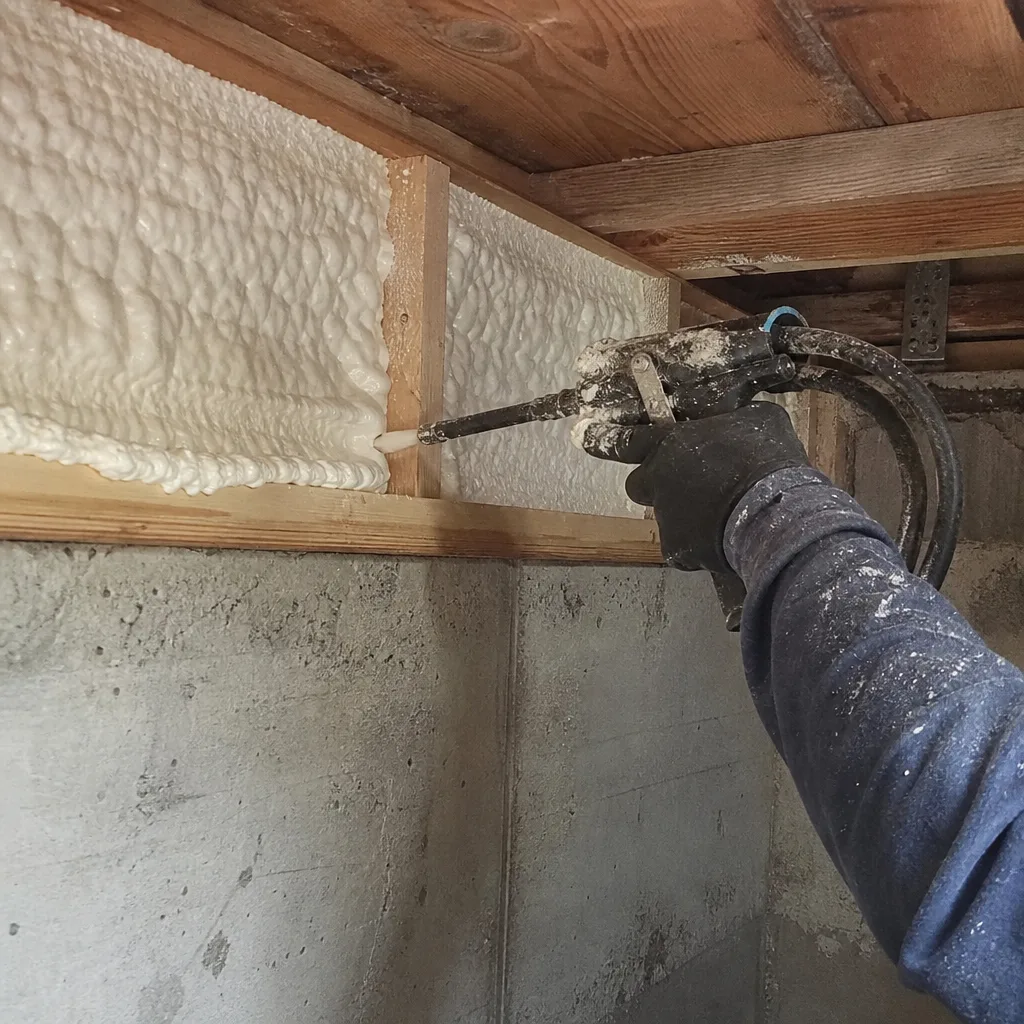
Dense-Pack Wall Insulation
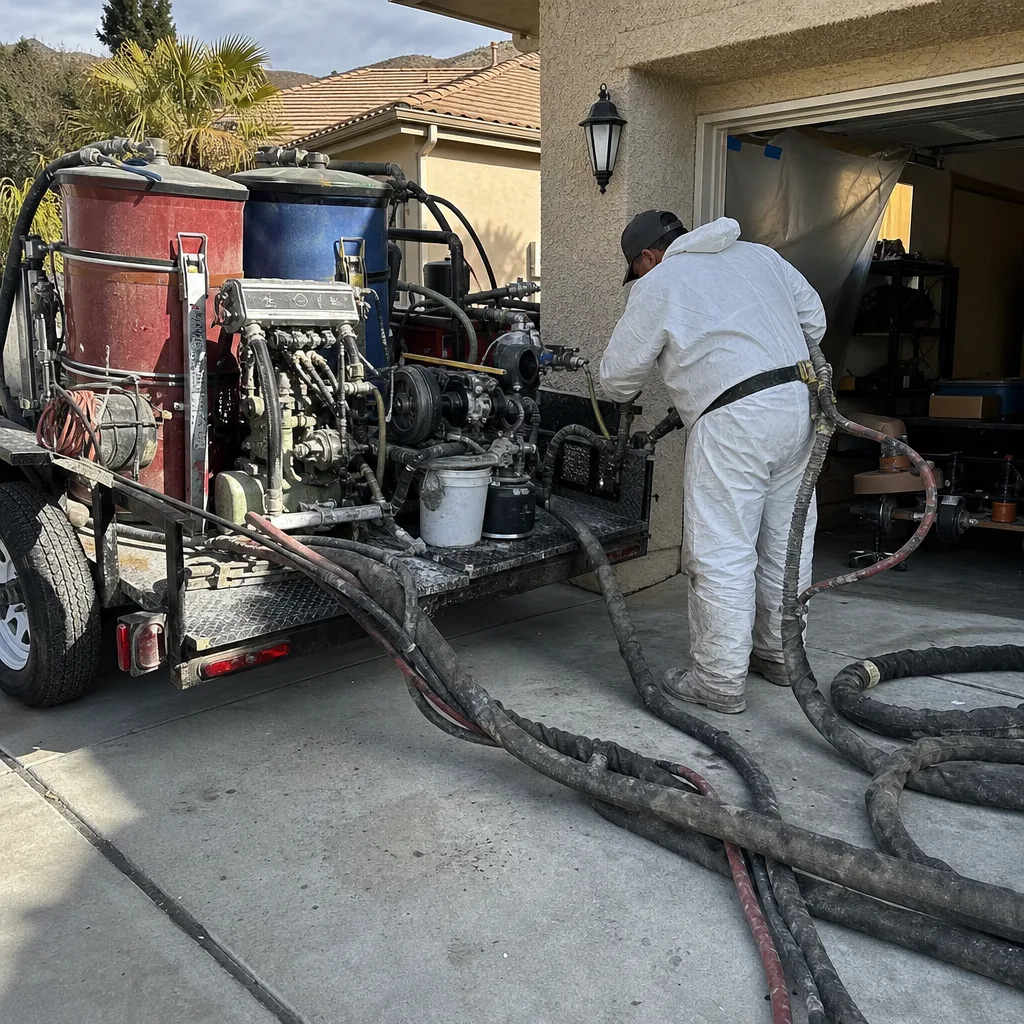
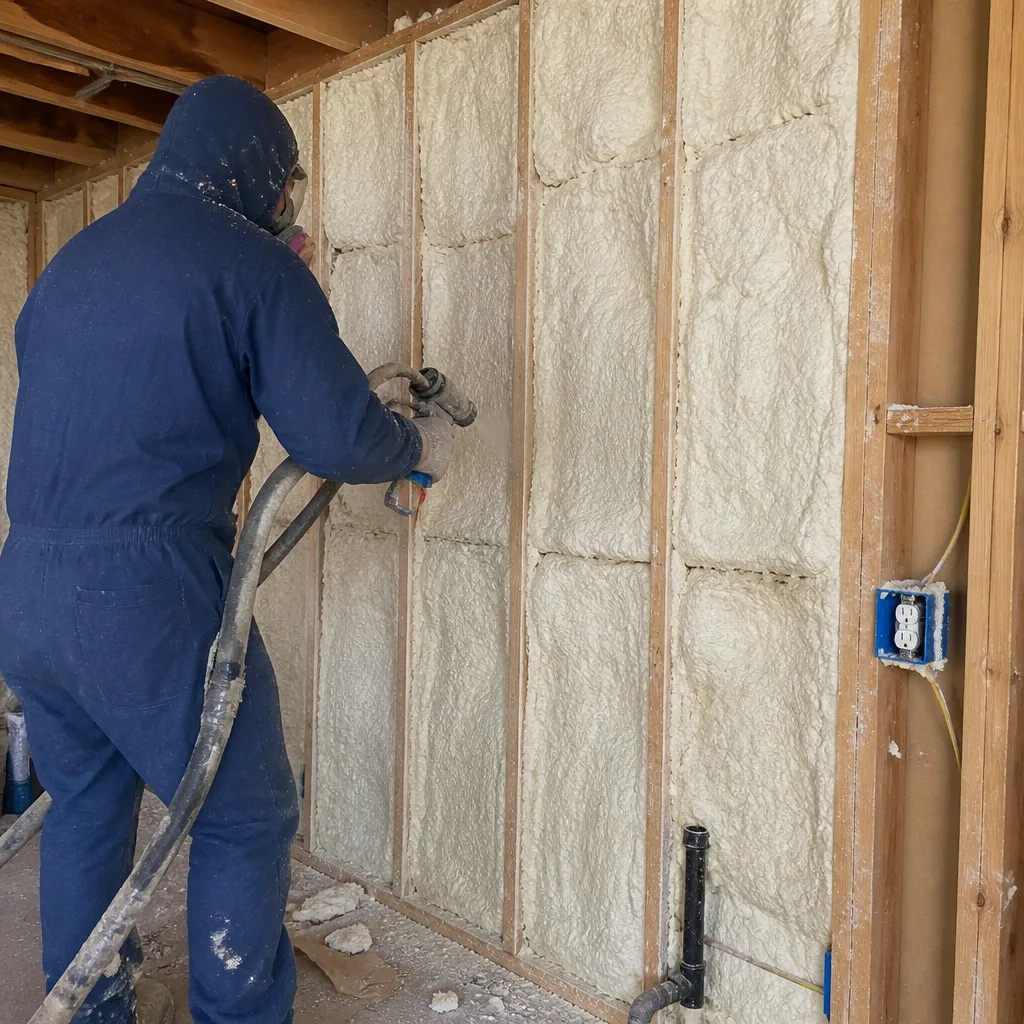
This is where we often find the real problem in Elizabeth Lake’s rural housing stock. Pre-code ranch houses and cabins on multi-acre lots frequently have partially filled wall cavities, and a blown-in attic top-up that ignores the walls leaves the biggest leakage path untouched. Dense-pack cellulose or fiberglass, installed at 3.5 pounds per cubic foot, fills these cavities completely and stops the stack effect that pulls propane-heated air straight out through the envelope. We recommend this on almost every Elizabeth Lake job where the walls haven’t been addressed.
Blown-In Top-Up
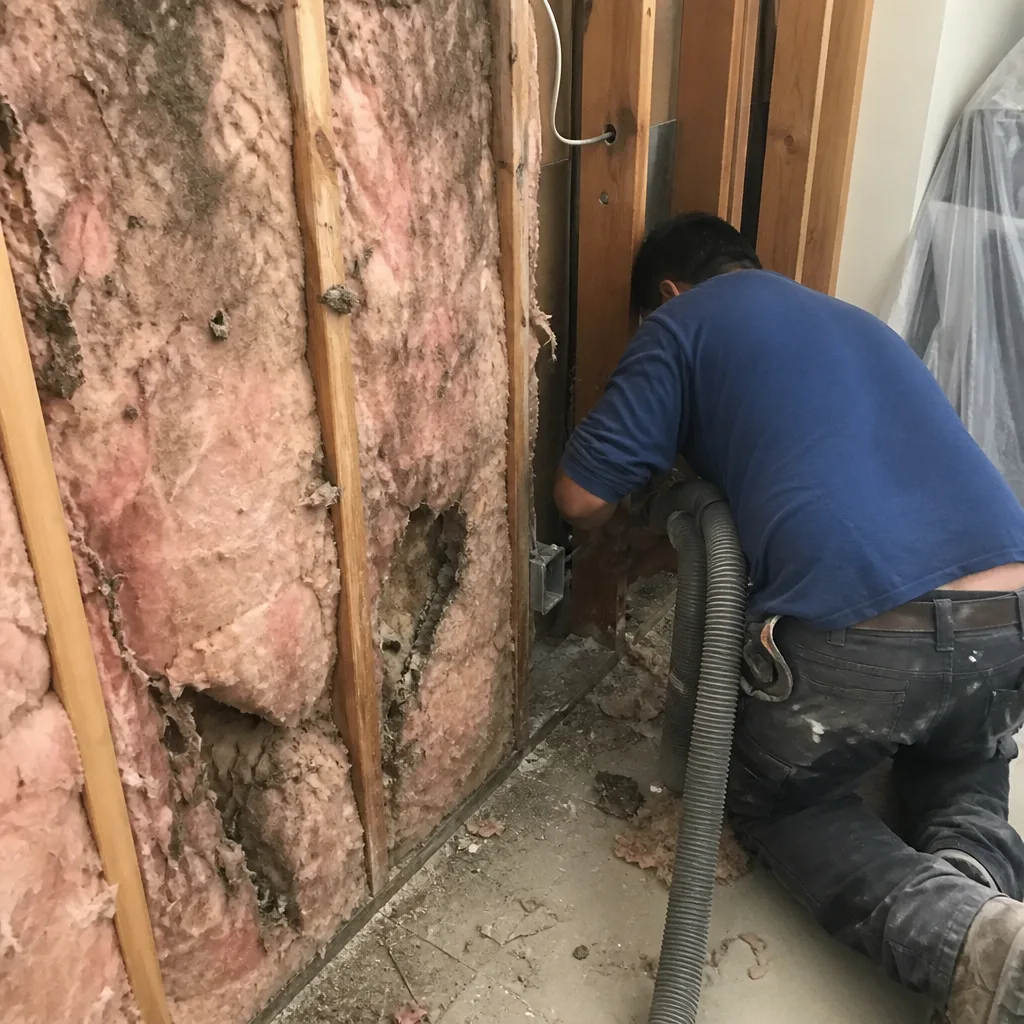
Many Elizabeth Lake homes have existing fiberglass batts that have compressed, shifted, or been disturbed by rodent activity. A top-up with blown cellulose or fiberglass restores rated R-value, but only if the underlying air sealing is sound. We inspect before we blow. In manufactured homes especially, we’ll find belly-board gaps and unsealed duct chases that make a top-up pointless until they’re fixed. The written scope we deliver before work starts spells out exactly what we found and what we’re doing about it.
What happens when you call
- 1
A real person answersNo phone trees - you reach a local pro.
- 2
You get an upfront price rangeHonest numbers before anyone is dispatched.
- 3
A background-checked tech heads outLicensed & insured, dispatched right away.
- 4
You approve before work beginsNothing starts until you say go.
 Before
 After
AfterTrusted Brands We Service in Elizabeth Lake
We source Knauf fiberglass, Rockwool mineral wool, and CertainTeed blown products for Elizabeth Lake jobs, with no proprietary lock-in that limits your options. Icynene open-cell foam is available for hybrid applications where spray foam air sealing precedes blown-in insulation. Materials are stocked for standard Elizabeth Lake job profiles, so we’re not waiting on delivery while your attic sits open. Every product spec is documented in your written scope, including manufacturer R-value ratings at the compressed depths we actually achieve in your specific cavity geometry.
Common Blown-In Insulation Problems We See in Elizabeth Lake Homes
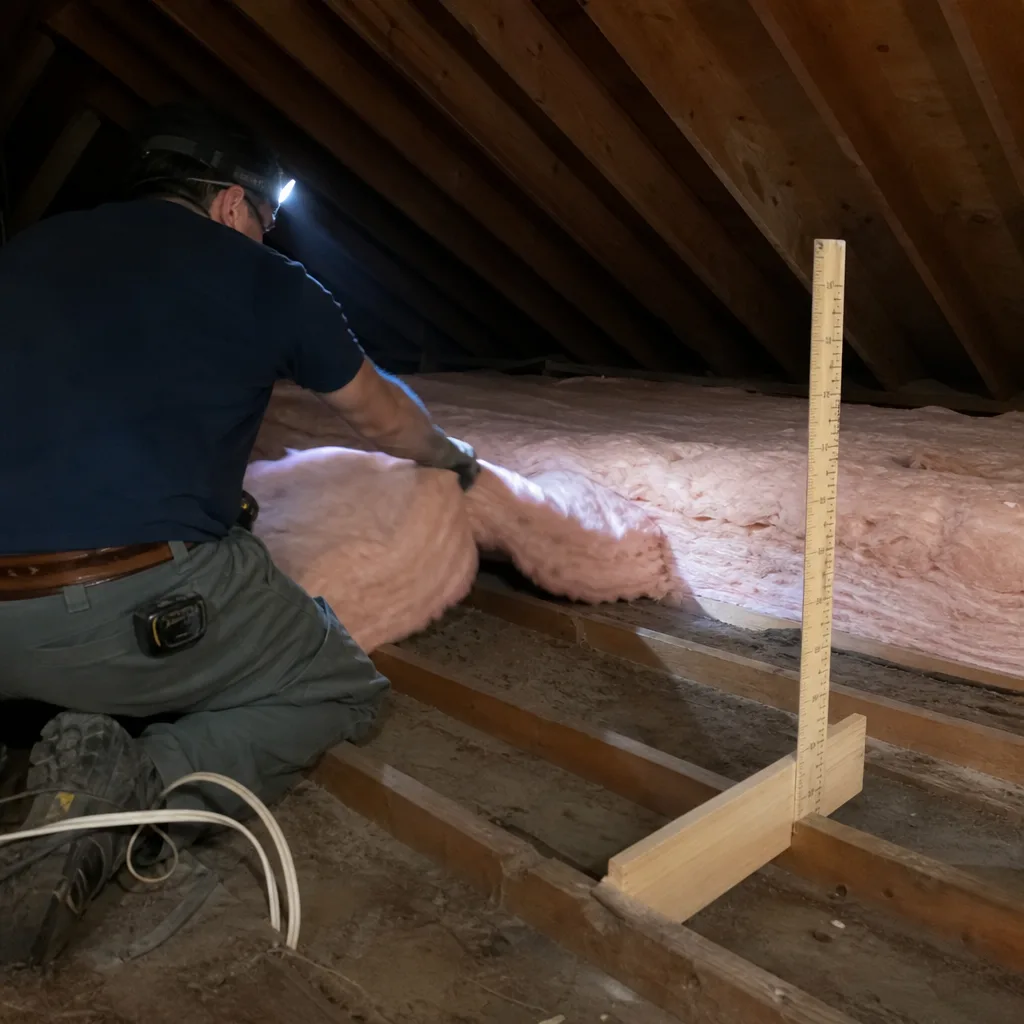
- Thin, uneven blown-in over shallow manufactured-home roof cavities. The cavity depth often limits us to 6-8 inches, and if the previous installer skipped depth markers or used the wrong blower pressure, you’ll have R-value gaps that the November-to-March freezes exploit immediately. We measure with probes every 24 inches.
- Infiltration through unsealed top plates and belly boards. The valley’s 40-50°F single-day temperature swings and persistent afternoon winds drive air movement through every gap. A blown-in top-up without air sealing just gets disturbed by that airflow and loses its rated performance within a season.
- Cellulose installed too close to unshielded flue or can-light assemblies. Propane-heated homes run long, hot heating cycles, and with summer attic temps regularly exceeding 150°F, that’s compounded heat stress on organic insulation near heat sources. We maintain proper clearances and use baffles where code requires.
- Partially filled wall cavities in pre-code ranch houses and cabins. The attic looks fine, but the walls are leaking conditioned air continuously. A blown-in attic job that ignores dense-pack walls solves maybe 40% of the actual heat loss. We flag this in the initial inspection and include it in the written scope if you want the full fix.
Pricing for Blown-In Insulation in Elizabeth Lake, CA
Most full attic blown-in insulation jobs in Elizabeth Lake run $2,800-$5,500, depending on attic square footage, existing material condition, and whether air sealing is included. A blown-in top-up over existing insulation typically falls between $1,800-$3,200. Dense-pack wall insulation adds $1,200-$2,800 depending on wall area and cavity accessibility.
Manufactured homes with shallow roof cavities and thin belly boards often land in the lower square-footage range but require more detailed air-sealing work, so they don’t always track cheaper. Remote properties off Elizabeth Lake Road or Bouquet Canyon may carry a modest travel adjustment, which we disclose in the written price before any work starts - Haven Standard Clause 1, always.
We also provide a Free Second Opinion on any written estimate. Bring us a competing quote and we’ll read it with you, line by line, and tell you what we see.
| Service | Typical Range in Elizabeth Lake |
|---|---|
| Full attic blown-in (cellulose or fiberglass) | $2,800 - $5,500 |
| Blown-in top-up over existing insulation | $1,800 - $3,200 |
| Dense-pack wall insulation | $1,200 - $2,800 |
| Attic air sealing (prerequisite for blown-in) | $900 - $1,800 |
| Radiant barrier installation | $1,400 - $2,600 |
We Also Serve Cities Near Elizabeth Lake
Our crews work throughout northern Los Angeles County, including Elizabeth Lake, Santa Clarita, Stevenson Ranch, San Fernando, and Castaic. Dispatch coordinates from our Los Angeles office, with local routing optimized for mountain-valley access. Whether you’re in a Santa Clarita townhome or a Castaic ranch, our Blown-In Insulation team applies the same Haven Standard: written price first, documented record last.
Serving Elizabeth Lake, CA - Our Local Coverage Area
We’re based in the Elizabeth Lake area and know this community well. Use the map below to see our service coverage - if you’re nearby, we can almost certainly help.
FAQs - Blown-In Insulation in Elizabeth Lake
Elizabeth Lake’s propane heating costs roughly 30-40% more per BTU than SoCalGas, and most homes here are off the gas grid entirely. A poorly insulated manufactured home can burn an extra propane tank or more each winter, and mid-season delivery to a remote property runs $800+ plus scheduling delays. The same R-value upgrade that saves $200 in Lancaster saves $400+ here. Call (747) 294-2764 for a written estimate - we’ll show you the propane math.
Yes, but depth and density matter more than in standard construction. Most manufactured homes here have 6-10 inches of usable cavity, so we calculate compressed R-value precisely and verify with probe measurements. We also air-seal the belly board and duct chases first, because a shallow cavity with infiltration loses heat faster than a deeper one that’s sealed. The written scope specifies exact depths and densities before we start.
For most Elizabeth Lake attics, yes. Summer attic temperatures in this valley regularly exceed 150°F, and radiant heat transfer through the roof deck can make top-floor rooms unusable even with adequate blown-in R-value. A radiant barrier reduces that radiant gain by 90%+ and is genuinely justified by local conditions, not sold as an upsell. We include it in the written scope when the attic geometry and roof orientation support it.
No. Partially filled wall cavities are the dominant heat loss path in pre-code ranch houses and cabins, and a blown-in attic job that ignores them solves maybe 40% of the actual problem. We inspect walls with thermal imaging and recommend dense-pack wall insulation when cavities are accessible. The written scope separates attic and wall work so you can phase the project if needed. Call (747) 294-2764 and we’ll show you what the camera found.
Large daily swings create constant expansion and contraction pressure on the building envelope, which pumps air through any unsealed gap. Blown-in insulation without air sealing gets disturbed by that pumping action, settles unevenly, and develops thermal bypasses within two to three seasons. That’s why we seal first - top plates, can lights, penetrations, belly boards - then blow insulation into a stable, static cavity. The blower-door test we run before and after proves the difference.
Written by Wes Okafor, Owner at Topside Attic Insulation Santa Clarita, serving Elizabeth Lake since 2016 under The Haven Standard.