
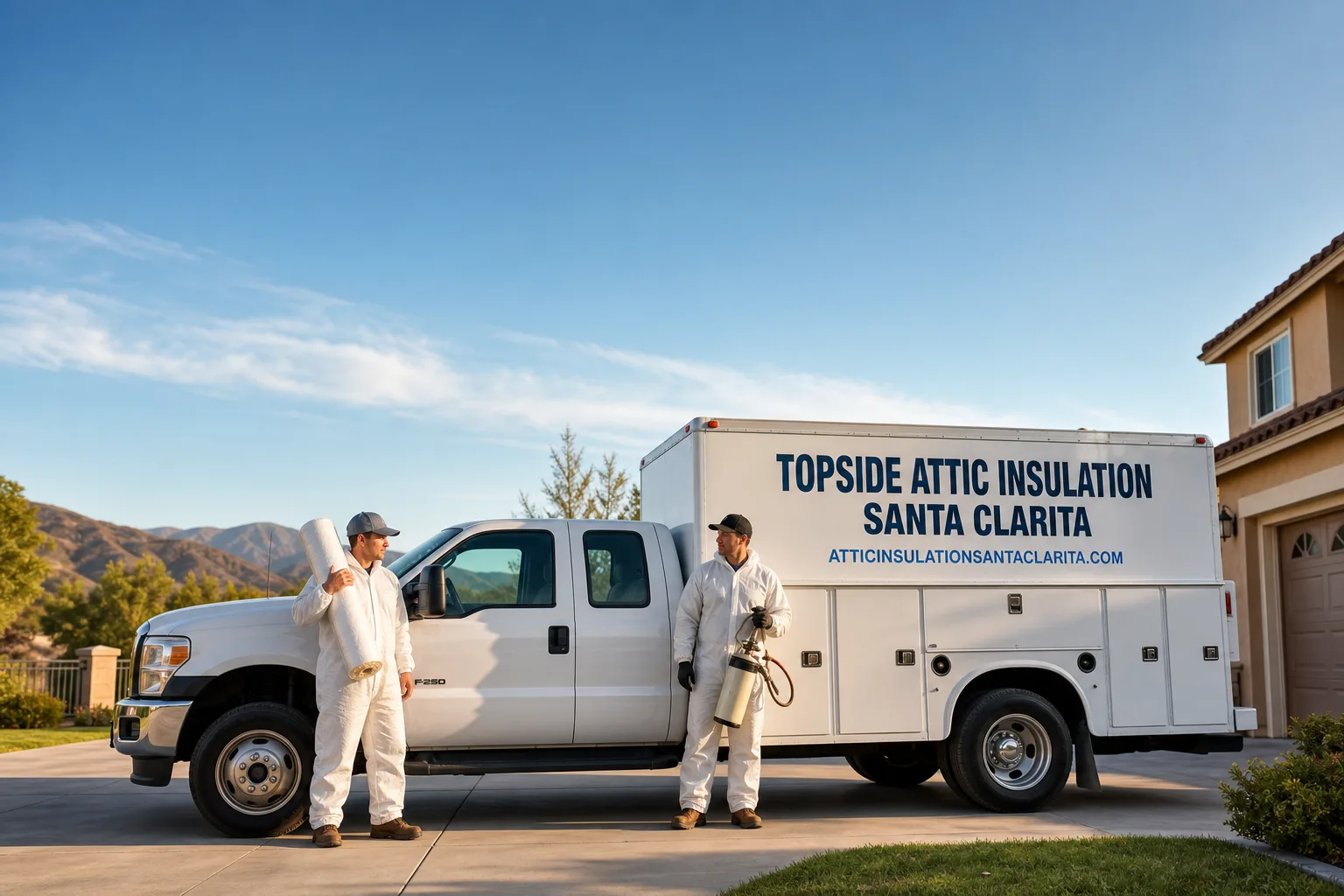
Fast, Reliable Blown-In Insulation Across Green Valley
Blown-in insulation in Green Valley typically costs $2.80-$5.50 per square foot installed, with most cabin retrofits running $3,200-$7,800 depending on whether we’re filling empty wall cavities or topping an existing attic. Most Green Valley jobs are completed in 1-2 days, and our crews are on the mountain regularly - dispatch coordinates from our Los Angeles office, but the trucks that serve Green Valley know Spunky Canyon Road, San Francisquito Canyon, and the tight switchbacks around Bouquet Reservoir. Call (747) 294-2764 for a written price before any work starts.
Green Valley sits at roughly 3,000 feet in the Angeles and Sierra Pelona range, and that elevation changes everything about how we insulate. The homes here weren’t built for January nights in the teens. They were built as seasonal retreats, and the families living in them full-time now are fighting heat loss with space heaters and high gas bills. We treat every Green Valley job as a conversion project - not a standard attic top-up - because the building envelope has to perform at a level the original builders never imagined.
Why Topside Attic Insulation Santa Clarita Is Green Valley’s Preferred Blown-In Insulation Company
We’ve been called back to Green Valley cabins by neighbors who watched our crew work down the road. Word travels fast in a community this size, and our reputation here was built on documented results - blower-door numbers, photo records, and furnaces that finally keep up. Our Green Valley customers leave reviews that mention specific details: the tech who found a live knob-and-tube junction buried in old cellulose, the written scope that matched the final invoice exactly, the February morning when the house held 68 degrees for the first time.
Response time to Green Valley is typically same-day or next-day for estimates, with crews scheduled once the written price is approved. We don’t ask Green Valley residents to wait for a callback window measured in business days - a live person answers (747) 294-2764 24/7, and our crews carry the materials to handle most mountain jobs without a second trip.
Local knowledge matters here. We know which Green Valley cabins have the original 4-inch attic joists that can’t handle deep cellulose without vent chutes, where the fire department access restrictions affect staging, and how the diurnal temperature swings in canyon terrain stress building envelopes harder than the flat valley floors below. Most LA-basin contractors spec for Santa Clarita’s milder conditions and miss the freeze-protection and ember-screening requirements that are standard on every job we do in Green Valley.
Our Blown-In Insulation Services in Green Valley
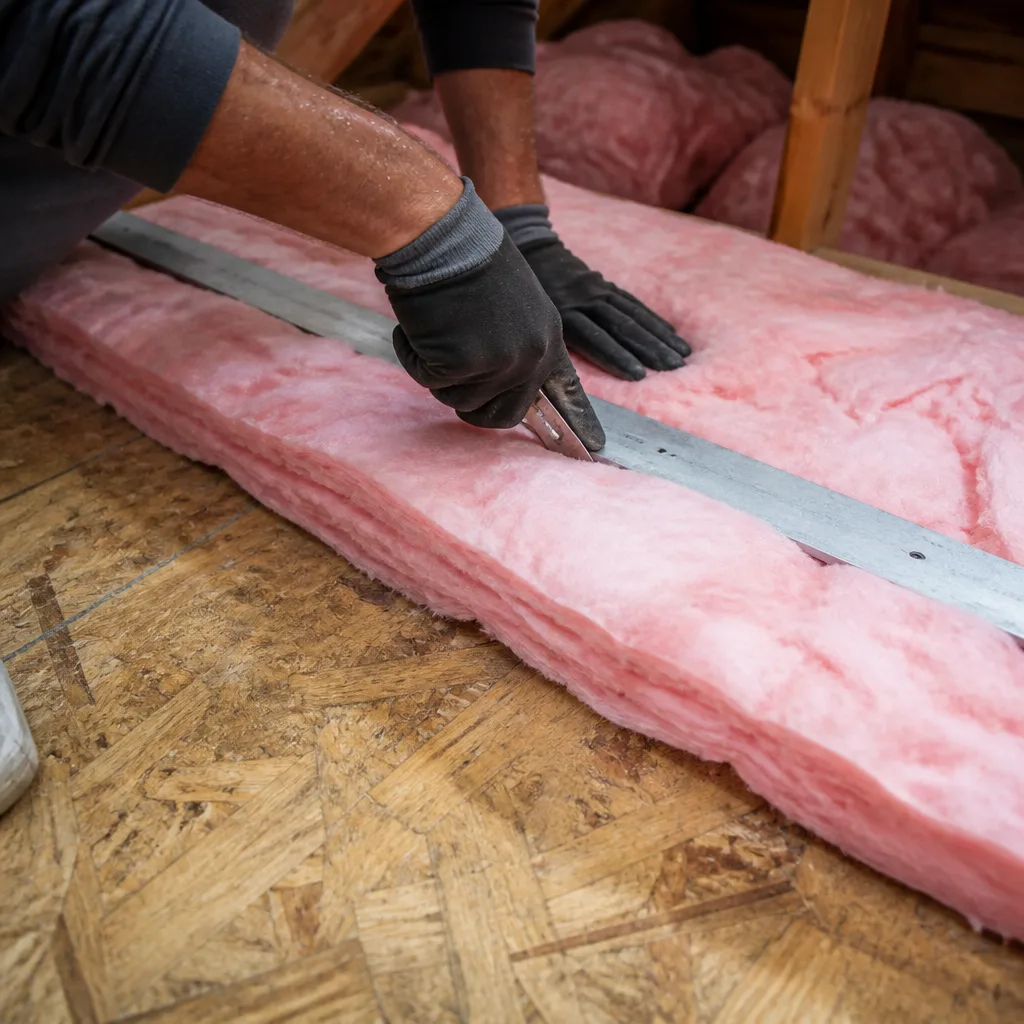
Blown-In Cellulose
Cellulose is our most common choice for Green Valley attic retrofits - it’s treated with borate fire retardant, which matters in a Very High Fire Hazard Severity Zone, and it fills irregular cabin framing better than batts. We source from GreenFiber and other manufacturers, and we never blow it over unsealed top plates or unscreened vents. In a typical Green Valley cabin off San Francisquito Canyon, we’ll dense-pack the cellulose to R-38 or R-49 after air sealing and ember-resistant vent screening are complete. The material settles slightly over the first winter; we account for that in our depth markers.
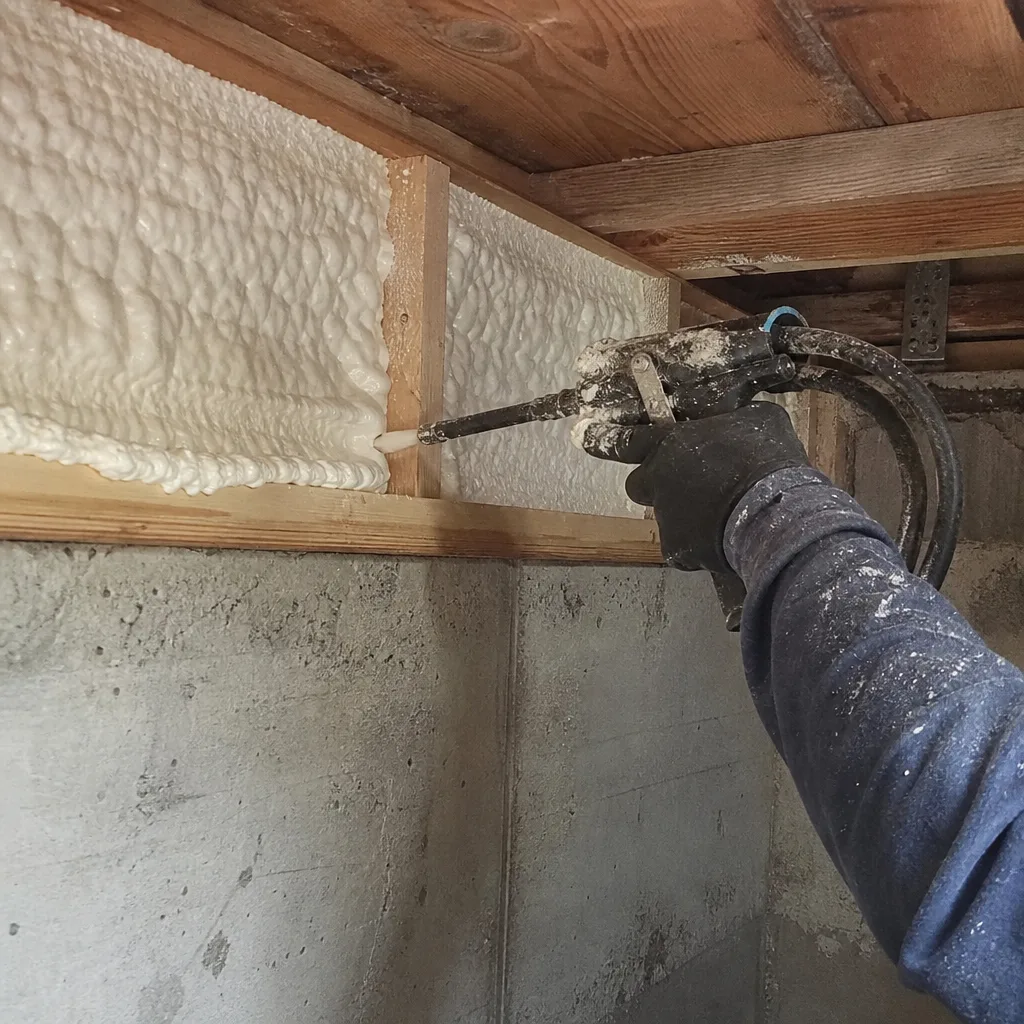
Blown-In Fiberglass
Fiberglass works well in Green Valley attics with adequate headroom and relatively uniform joist bays - we use Owens Corning and CertainTeed products, blown to specified depth with density markers photographed for the record. It doesn’t hold moisture the way settled cellulose can, which matters in cabins where roof leaks went undetected for seasons. We often pair fiberglass attic fills with cellulose wall cavities, matching the material to the application rather than forcing a single product everywhere.
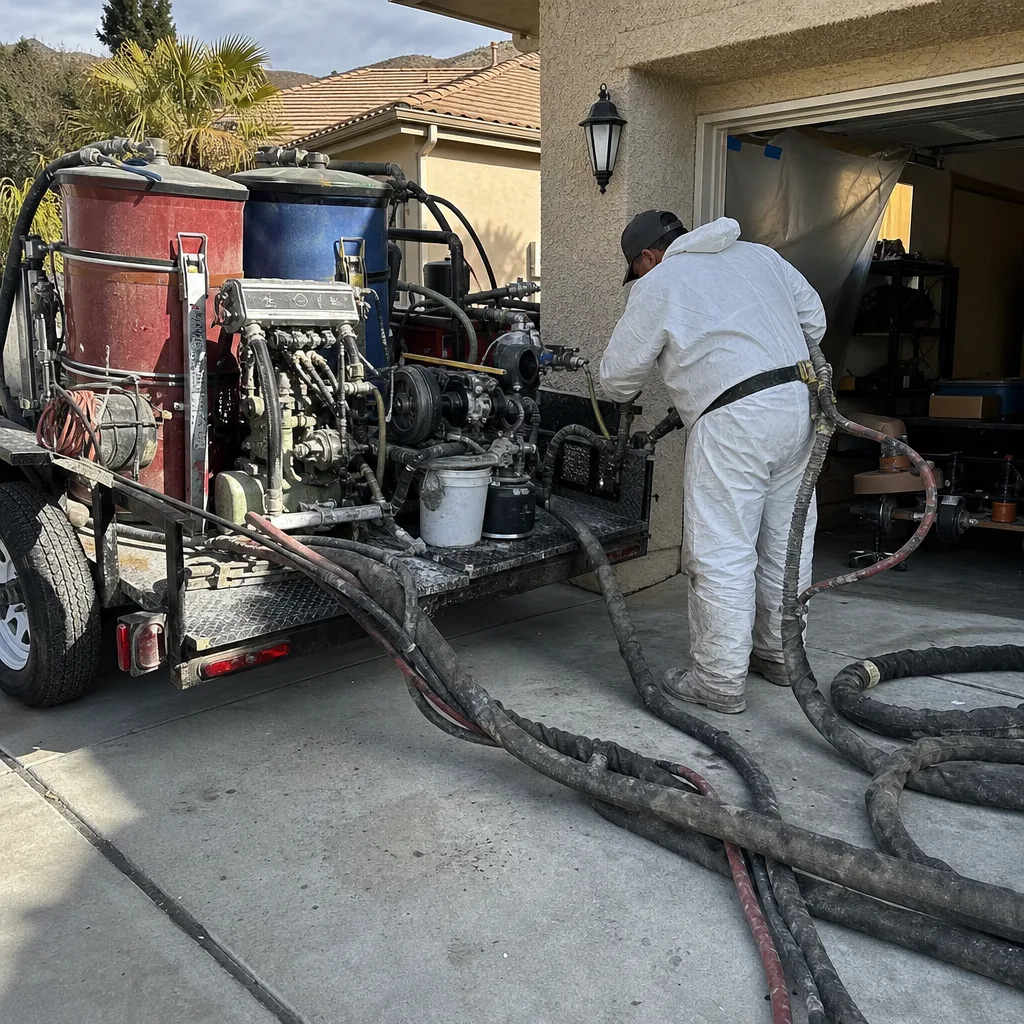
Dense-Pack Wall Insulation
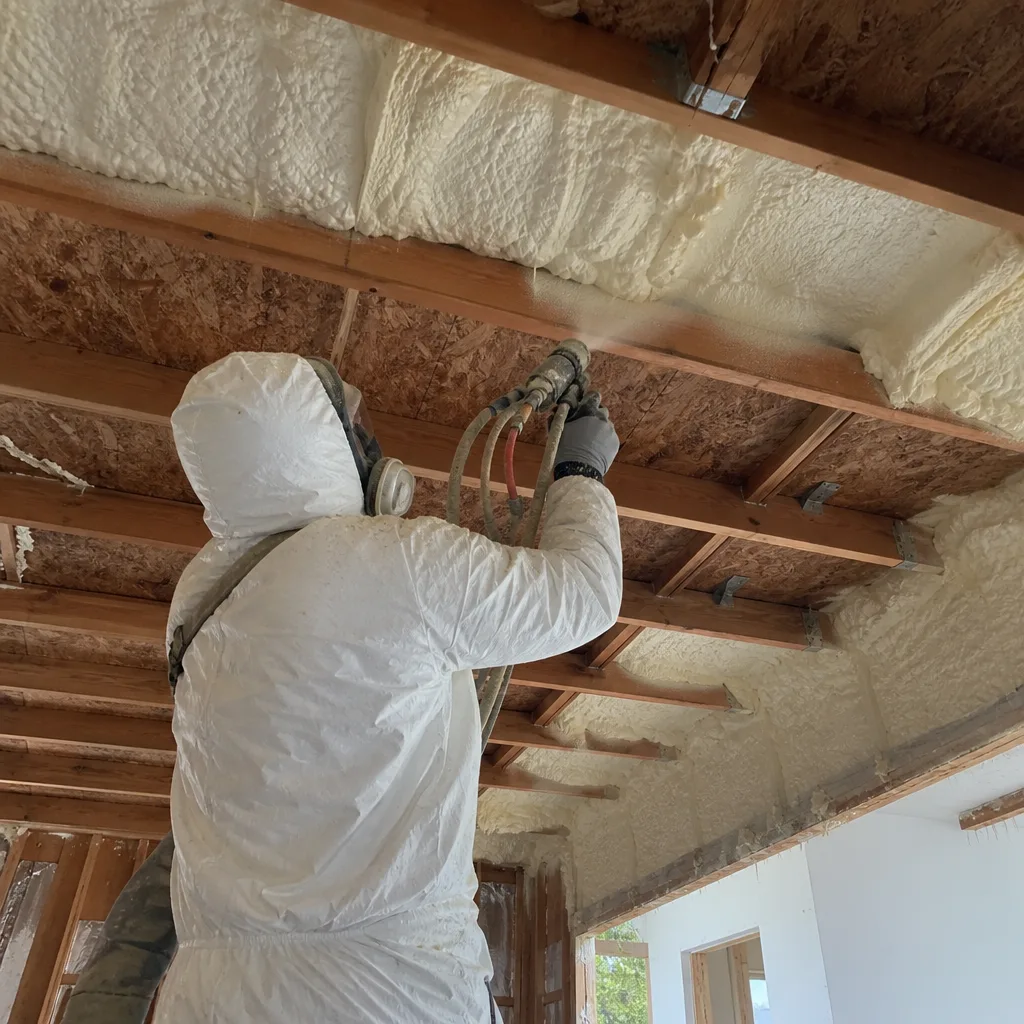
This is where Green Valley’s seasonal-cabin conversion challenge becomes most visible. Those 1950s and 1960s walls were built empty - no insulation, no consideration for year-round occupancy. Our crew removes a siding course or drills interior plaster at stud bays, then dense-packs cellulose at 3.5 pounds per cubic foot until the cavity is full and the material resists settlement. The technique requires knowing where the wiring runs (critical with legacy knob-and-tube still live in some Green Valley cabins) and stopping at fire blocks. We’ve dense-packed wall cavities in cabins from Spunky Canyon to the Bouquet Canyon divide, and the before-and-after thermal images are stark - exterior walls that previously read 38 degrees now track within a few degrees of interior air.
Blown-In Top-Up
Some Green Valley cabins already have a thin layer of old cellulose or fiberglass - often dirty, settled, compressed by decades of storage or rodent traffic. We don’t automatically remove it. Our tech inspects the existing material for moisture damage, combustion safety, and wiring condition. If it’s dry and the wiring is updated, we’ll air seal the attic floor first, install vent chutes where soffit intake was blocked, then blow new material to the target R-value on top. The result is a continuous thermal blanket without the cost of full removal. Every top-up job in Green Valley includes new ember-resistant vent screening - we won’t close the attic without it.
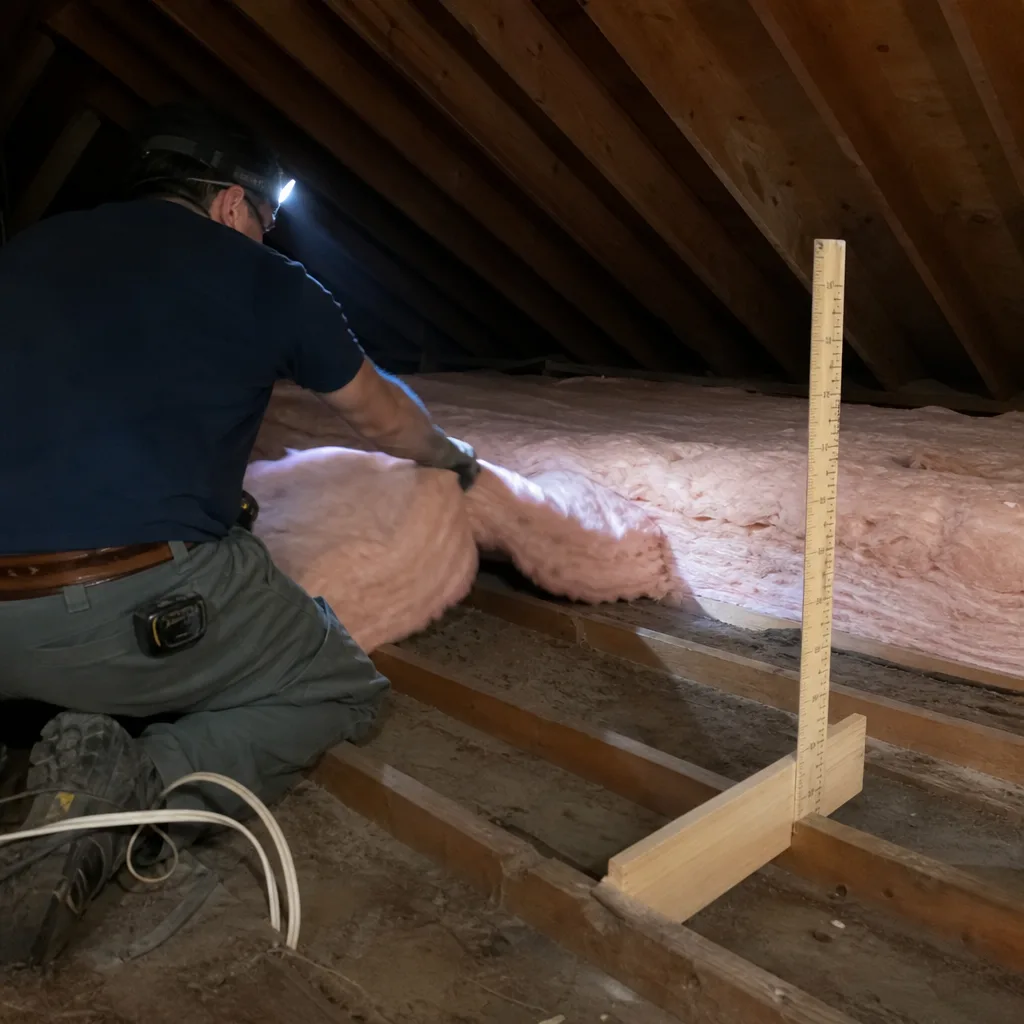
What happens when you call
- 1
A real person answersNo phone trees - you reach a local pro.
- 2
You get an upfront price rangeHonest numbers before anyone is dispatched.
- 3
A background-checked tech heads outLicensed & insured, dispatched right away.
- 4
You approve before work beginsNothing starts until you say go.
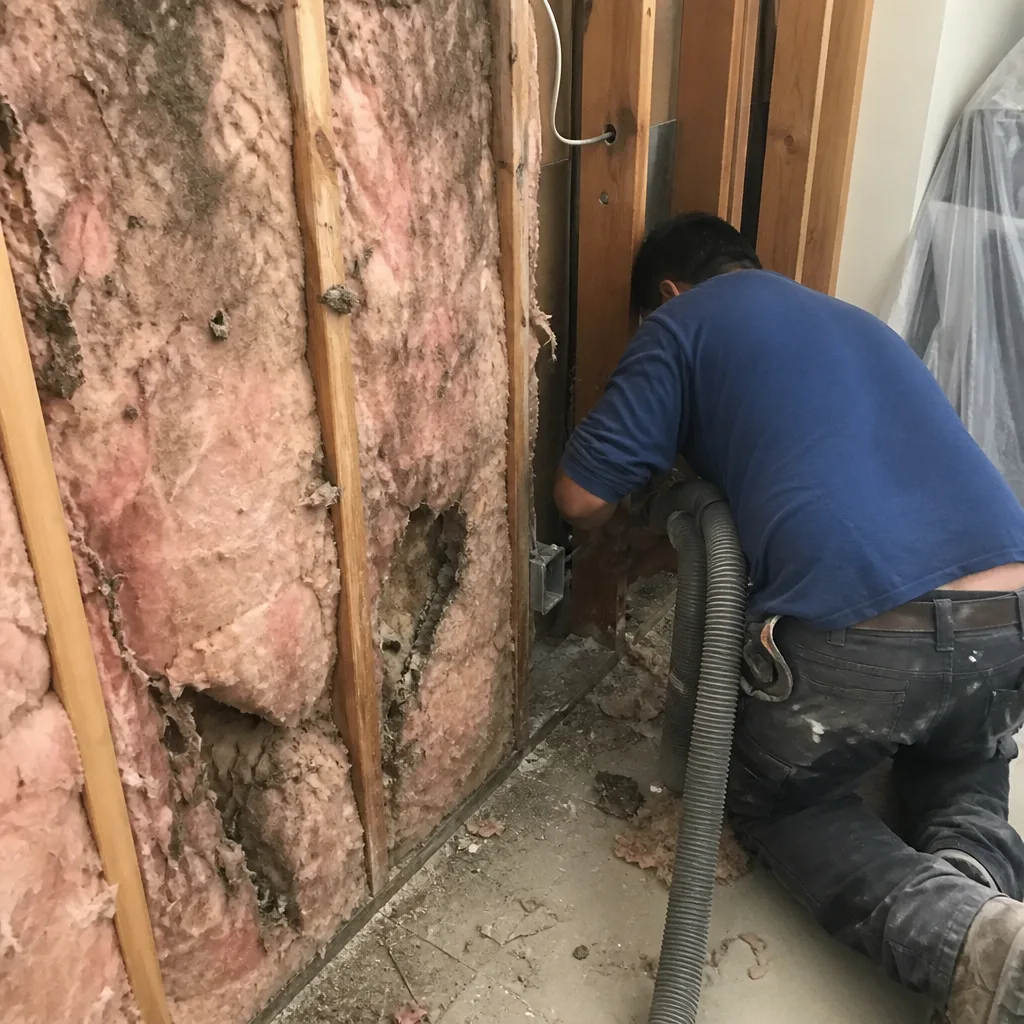 Before
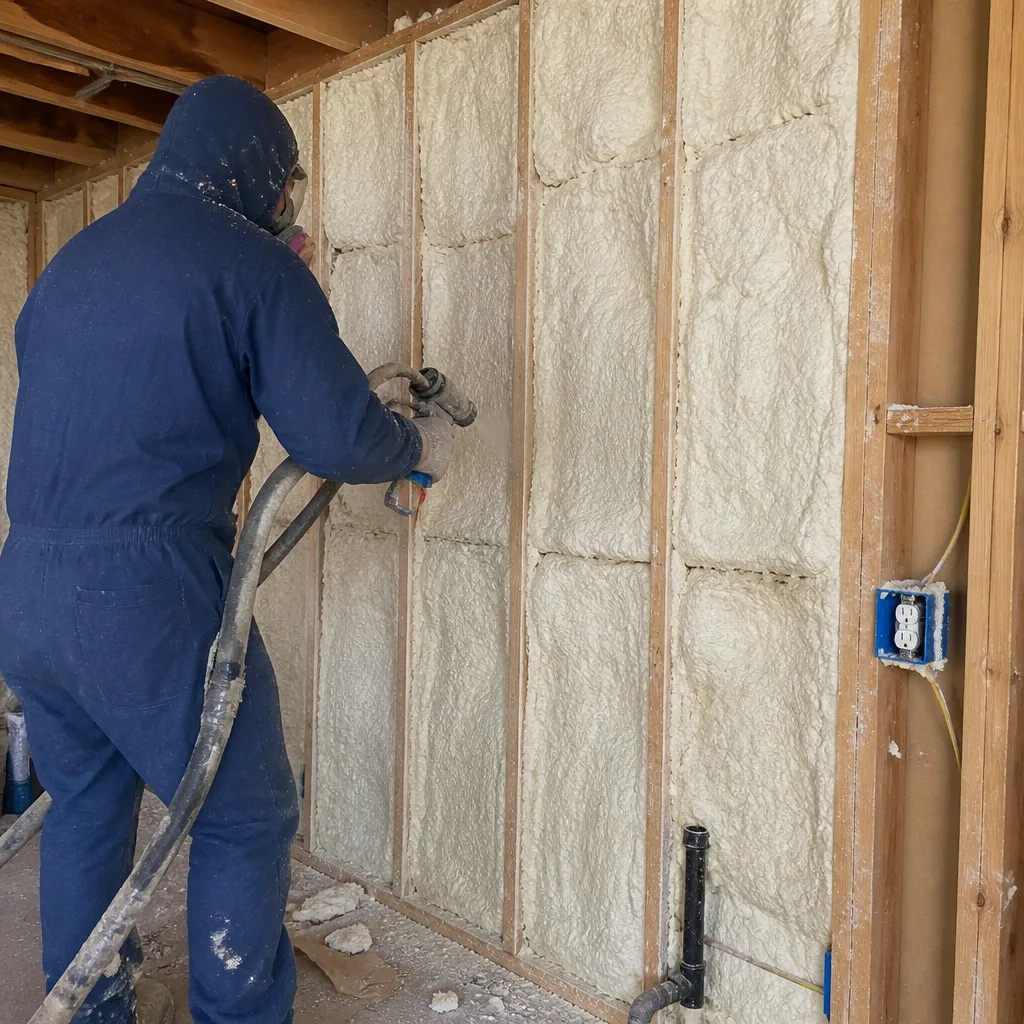 After
AfterTrusted Brands We Service in Green Valley
We stock and install Owens Corning, GreenFiber, Rockwool, and CertainTeed blown-in products, with no proprietary lock-in that limits what’s right for your specific cabin. Our Green Valley trucks carry the common densities and blower gate settings for each, so we’re not waiting on a parts run to Santa Clarita while your attic sits open. For fire-zone jobs, we spec borate-treated cellulose or mineral wool where ember resistance is the priority - Rockwool’s melt point above 2,000°F has clear advantages in certain Green Valley applications. We document the manufacturer and lot on every job record, so if there’s ever a question about what went in, you have it in writing.
Common Blown-In Insulation Problems We See in Green Valley Homes
- Blocked soffit vents causing ice damming. Old seasonal cabins often have no attic vent chutes or baffles. When blown-in insulation fills the eaves, it cuts off soffit airflow and creates a warm roof deck that melts snow from below. The melt refreezes at the eave, backs up under shingles, and leaks into wall cavities. We install proper vent chutes before blowing any new material - non-negotiable in Green Valley’s freeze-prone winters.
- Live knob-and-tube or unsealed can lights buried under new insulation. Legacy wiring and old recessed fixtures weren’t designed for contact with combustible materials. In Green Valley’s Very High Fire Hazard Severity Zone, this isn’t just a code violation - it’s a genuine fire risk. Our pre-insulation inspection identifies these hazards; we coordinate with licensed electricians for remediation before insulation goes in. No exceptions.
- Stack-effect drafts destroying effective R-value. Without air sealing at the top plate, around chimney chases, and at plumbing penetrations, blown-in insulation performs far below its rated value. Canyon terrain amplifies this - the diurnal temperature swings in Green Valley create stronger pressure differentials than flatland homes experience. We seal first, then insulate. In that order.
- Missing or inadequate ember screening on vents. Standard vent hardware from lower-elevation jobs doesn’t meet Title 24 requirements for Green Valley’s fire zone. Every retrofit we complete includes 1/8-inch mesh ember-resistant screening on all attic vents, documented in the photo record. Contractors who don’t work the mountain regularly often miss this entirely.
Pricing for Blown-In Insulation in Green Valley, CA
A typical blown-in attic fill in a Green Valley cabin runs $2.80-$4.20 per square foot, with most jobs landing between $3,200 and $5,400 for attics in the 800-1,200 square foot range. Dense-pack wall insulation adds $3.50-$5.50 per square foot of wall area, and a full cabin envelope - attic, walls, air sealing, and fire-zone vent hardware - typically ranges $6,800-$11,500.
What moves the number: accessibility (steep roofs and tight crawl spaces add labor), existing material condition (removal of contaminated cellulose runs $1.20-$2.00 per square foot), wiring hazards requiring electrician coordination, and the extent of air sealing needed before insulation can perform. We don’t guess. Every Green Valley estimate includes a blower-door test - a pressurization reading that shows, in one number, how much air your building envelope is losing - and the written price covers exactly what’s required to hit the target performance. No work starts without that written price. Call (747) 294-2764 for your free estimate.
We Also Serve Cities Near Green Valley
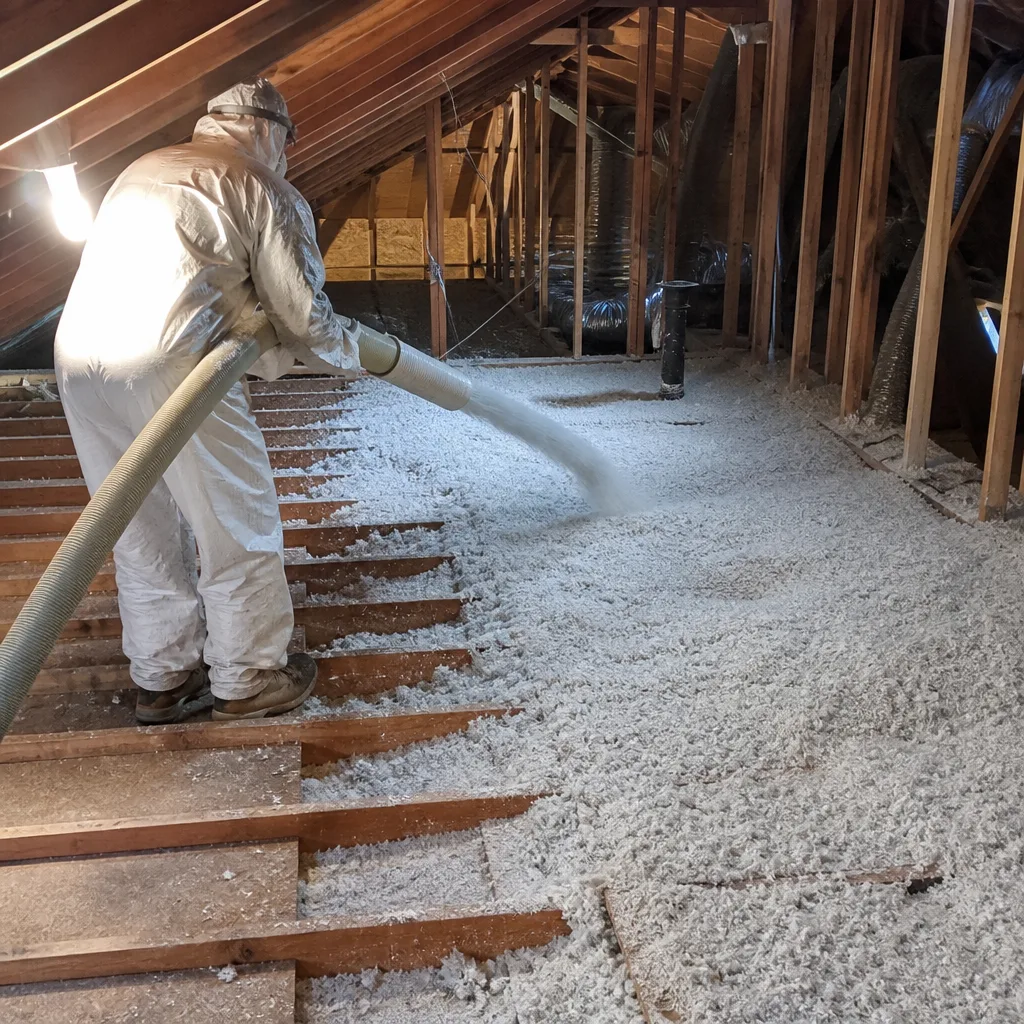
Our crews work the full northern Los Angeles County corridor, including Blown-In Insulation in Green Valley and surrounding communities: Santa Clarita, Stevenson Ranch, San Fernando, and Castaic. Dispatch coordinates from our Los Angeles office, but the trucks serving Green Valley are on the mountain regularly. If you’re in a nearby city and dealing with similar elevation or fire-zone conditions, the same protocols apply.
Serving Green Valley, CA - Our Local Coverage Area
We’re based in the Green Valley area and know this community well. Use the map below to see our service coverage - if you’re nearby, we can almost certainly help.
FAQs - Blown-In Insulation in Green Valley
Yes, and this is the majority of our Green Valley work. We treat these as full building-envelope conversions - air sealing, vent chutes, ember-resistant screening, and insulation to R-38 or R-49 in attics, R-13 to R-21 in walls - so the cabin performs as a year-round home. The process takes longer than a standard top-up because we address the structural realities of seasonal construction: unsealed top plates, empty wall cavities, and venting that was never designed for winter occupancy. Call (747) 294-2764 for a written scope and price.
Subfreezing temperatures and snow create heating loads that demand higher R-values than lower-elevation LA County homes require - we typically spec R-49 in Green Valley attics versus R-38 for Santa Clarita floor homes. More critically, freeze-thaw cycles punish any air leakage; moist interior air that escapes through gaps condenses on cold sheathing and causes mold or rot. Our air-sealing-first protocol, measured with before-and-after blower-door tests, prevents this. The insulation only works if the envelope is tight.
Green Valley falls within a Very High Fire Hazard Severity Zone, so every attic retrofit must include ember-resistant vent screening (minimum 1/8-inch mesh) per California Title 24 and local fire codes. We also verify that no live knob-and-tube wiring or unsealed recessed lights are buried in combustible insulation - a hazard that standard inspections often miss. Our photo record documents every vent and penetration before we close the attic. Most LA-basin contractors don’t routinely navigate these requirements; they’re standard on every job we do here.
Not always. If the existing material is dry, uncontaminated, and the wiring beneath it is modern and safe, we’ll air seal on top and blow new material to the target depth. If there’s moisture damage, rodent activity, or live legacy wiring buried underneath, removal is necessary before new insulation goes in. Our inspection determines which path applies; the written price reflects the actual condition we find, not a blanket assumption either way.
Most Green Valley cabin retrofits are completed in 1-2 days: one day for air sealing, vent chutes, and ember screening, plus a second day for blowing insulation and final blower-door verification. Dense-pack wall work or full material removal adds time. We don’t rush the pre-work - sealing and screening are what make the insulation perform in this climate. You’ll get a written schedule with your written price, and a text when your technician is on the way.
We were called to a 1950s cabin off Spunky Canyon Road where the original attic had only a thin layer of dirty, settled cellulose and the homeowners were using space heaters that couldn’t keep up during a February freeze. Our tech dense-packed the wall cavities with GreenFiber cellulose and blew Owens Corning fiberglass to R-49 in the attic after installing ember-resistant vent screening and sealing top plates. The result: the furnace now holds 68°F through overnight lows in the teens, and the cabin finally functions as a year-round home.
Written by Wes Okafor, Owner at Topside Attic Insulation Santa Clarita, serving Green Valley and northern Los Angeles County since 2016.