
Last updated September 23, 2026
Attic Insulation Maintenance Checklist for Santa Clarita Homeowners
Blown cellulose settles roughly 20% in the first year after installation. If your original installer didn’t account for that settled depth in their initial specification and didn’t leave you a depth-rod photo with the date marked, you may already be below California’s R-38 attic minimum without knowing it. In Santa Clarita, where summer attic temperatures regularly exceed 140°F and Diablo winds drive debris through soffit vents year-round, insulation degrades through mechanisms you can spot early if you know what to look for. This guide gives you a documented inspection schedule, pass-fail thresholds, and the specific documentation to keep so you know whether a top-off will fix the problem or whether you’re looking at a full tear-out. For The Complete Guide to Insulation in Santa Clarita, see our companion resource.
Quick Answer
Attic insulation maintenance in Santa Clarita means measuring settled depth against your original installation report twice yearly, checking for air-washing stains and rodent compression trails, and clearing wind-driven debris from soffit baffles after Diablo wind events. Most homeowners who stay on this schedule catch performance loss before it drives a 20-30% spike in cooling bills. Keep your original depth-rod photo, any blower-door numbers, and seasonal inspection photos in one file; when settled depth drops below 10 inches for cellulose or 11 inches for fiberglass, it’s time for a professional assessment.
Table of Contents
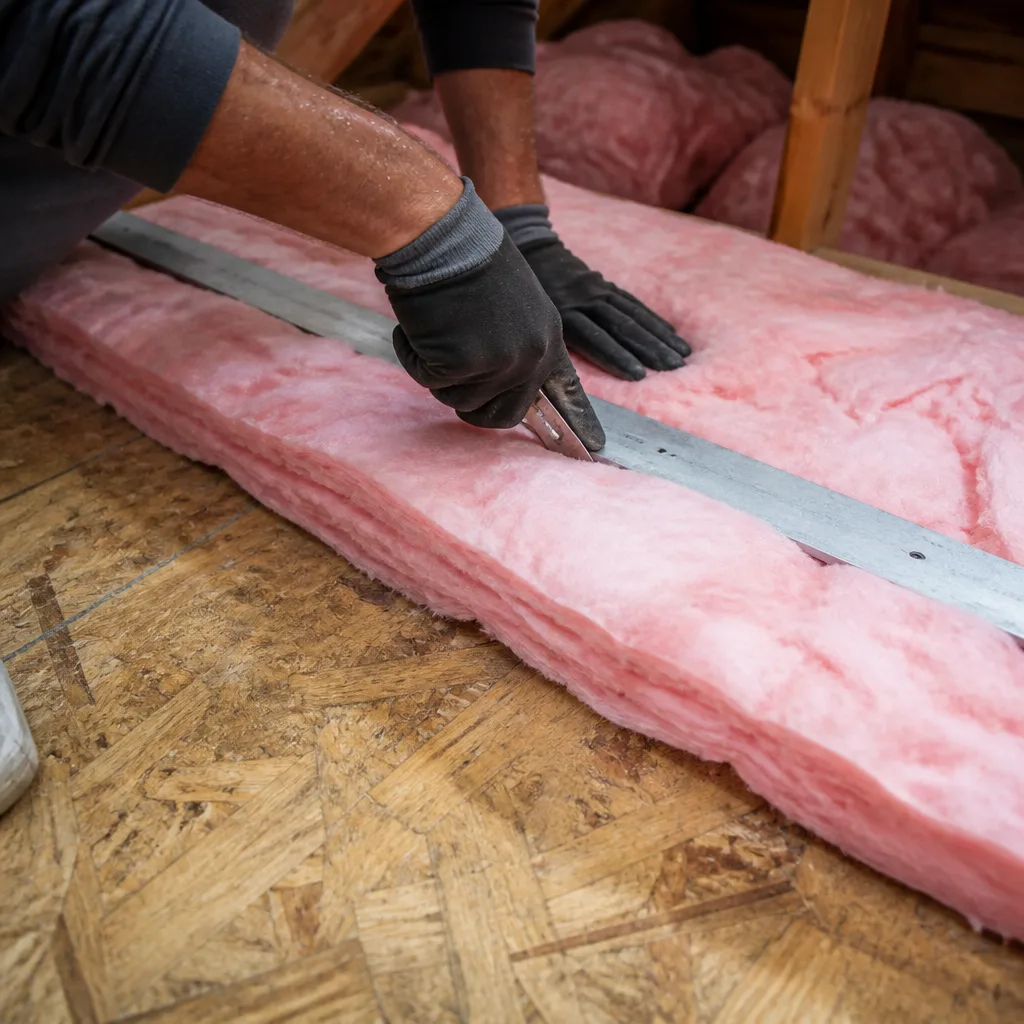
- How Attic Insulation Fails in Santa Clarita Homes
- Seasonal Inspection Checklist: What to Check and When
- Air-Washing: The Hidden R-Value Killer
- The Documentation File Every Homeowner Should Keep
- Santa Clarita-Specific Maintenance Triggers
- Pass/Fail Thresholds: Top-Off vs. Full Replacement
- Common Mistakes to Avoid
- When to Call a Professional
- Frequently Asked Questions
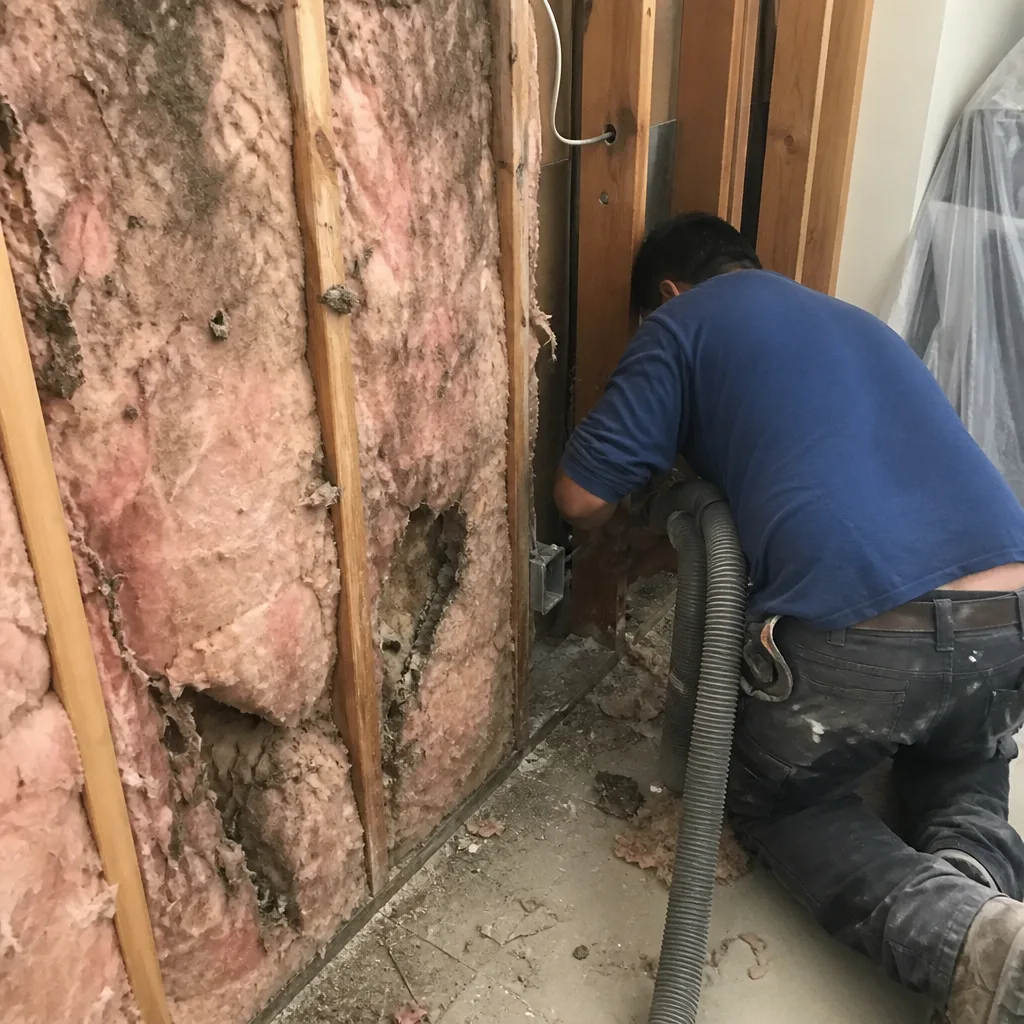 Before
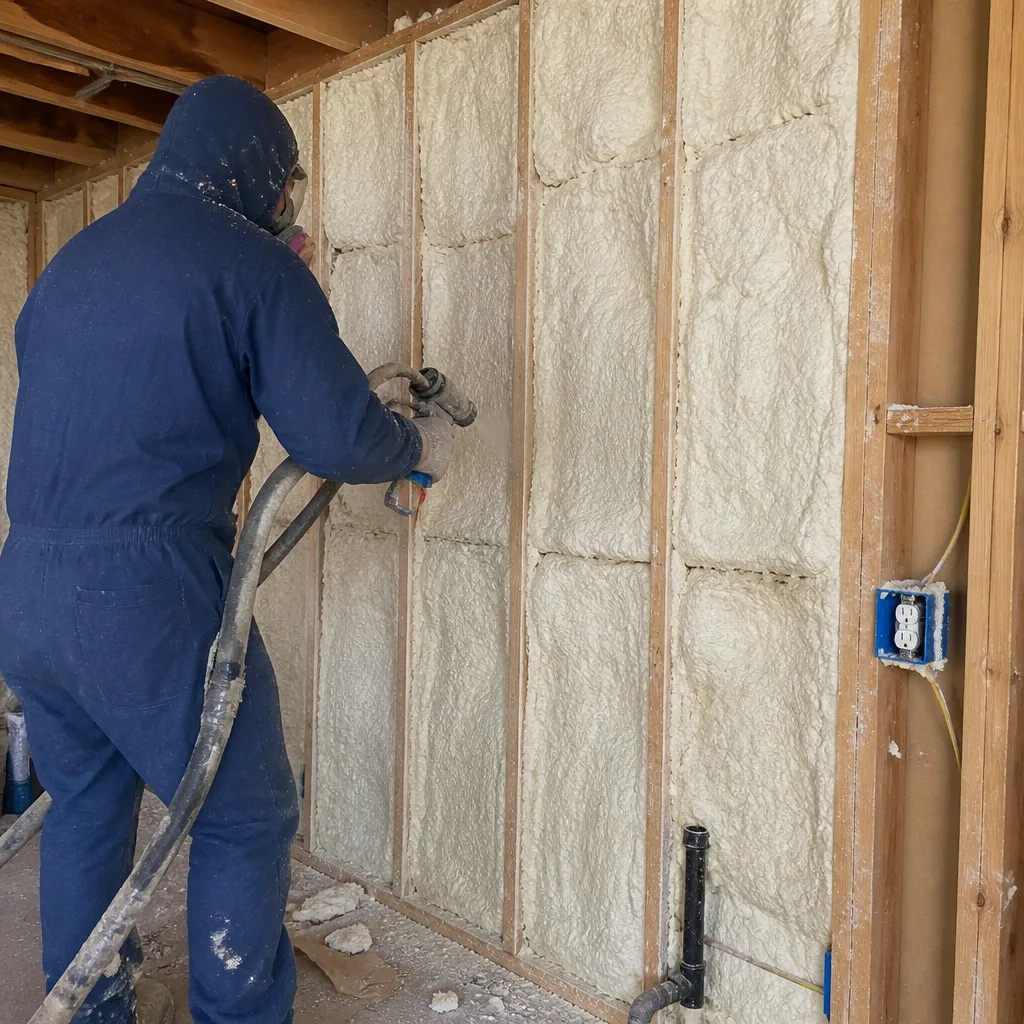 After
AfterHow Attic Insulation Fails in Santa Clarita Homes
Insulation doesn’t fail all at once. It degrades through three distinct mechanisms, and each one leaves a different signature in your attic. Knowing which signature you’re looking at changes everything about the repair scope and the price you’ll pay.
Settling is the most common. Blown cellulose, the product we see most often in Santa Clarita homes built between 1985 and 2010, settles 15-25% in the first year as fibers compact under their own weight and attic traffic. A crew that blew 12 inches to hit R-38 may have delivered only 9.5 inches of effective coverage twelve months later if they didn’t over-blow to compensate. The tell: uniform depth loss across the attic floor, with no dark staining or channeling. The fix: a measured top-off to restore design depth.
Rodent compression shows up differently. Mice and roof rats, both active in Santa Clarita’s interface zones between developed neighborhoods and open space, don’t eat cellulose or fiberglass. They compress it into runway tunnels between nest sites and food sources. You’ll see 2-3 inch wide trails of packed-down material, often with droppings or urine staining nearby. The insulation isn’t gone; it’s been mechanically destroyed in specific paths. The fix: removal of contaminated material, rodent proofing, then replacement. A top-off over compressed runs just buries the problem.
Moisture damage is less common in our dry climate but spikes during monsoon-season humidity events, typically July through September in Santa Clarita. Warm, moist air hits cool ductwork or sheathing, condenses, and wets insulation from below. Cellulose mats and clumps; fiberglass loses loft and can grow mold on its paper facing. The tell: discolored, stiff, or clumped batts, often directly below bathroom exhaust fans or duct boots. The fix: source the moisture first, then replace affected material. Never add new insulation over wet old insulation.
We’ve documented all three failure modes in Santa Clarita homes since 2016. The blower-door test, a pressurization reading that shows in one number how much air your building envelope is losing, often reveals that settling and rodent damage are symptoms of a deeper problem: an unsealed attic floor that lets conditioned air escape upward, creating pressure differentials that pull dust, odors, and pests into the insulation layer.
Seasonal Inspection Checklist: What to Check and When
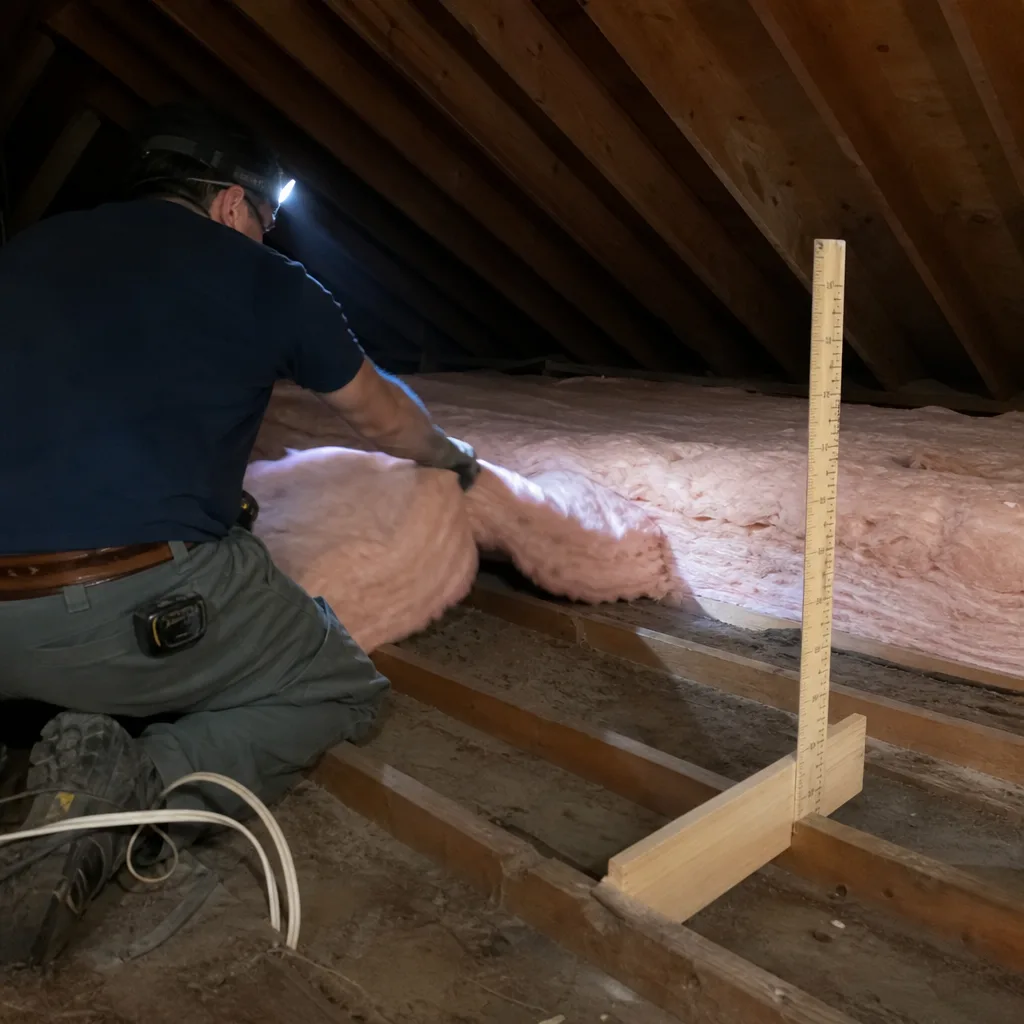
We recommend two formal inspections per year in Santa Clarita: late March, before cooling season loads peak, and late October, after the last monsoon push and before heating season. Each inspection takes 30-45 minutes if you know what you’re looking for.
March Inspection (Pre-Cooling Season)
- Measure depth at three points. Use a ruler or tape measure against the depth tab your installer should have left, or against a joist top if no tab exists. Measure at the attic center, within 3 feet of the access hatch, and at the north-side eave where settling often shows first. Record each reading with the date and photo.
- Check soffit baffles for debris. Santa Clarita’s spring Diablo winds carry leaves, dust, and seed pods through soffit vents. Blocked baffles stop ventilation airflow and can create moisture traps. Clear debris by hand; don’t use a blower, which can force material deeper into the baffle.
- Inspect for rodent activity. Look for fresh droppings, gnawed wood or wiring, and compression trails in insulation. Pay special attention near plumbing stacks and chimney chases, where rodents travel between floors.
- Examine ductwork for disconnected flex runs. Santa Clarita’s temperature swings, 30°F winter lows to 110°F summer highs, degrade duct tape and zip ties. A disconnected supply duct dumps conditioned air into the attic, pressurizing it and accelerating air-washing.
- Photograph everything. Date-stamped photos of depth measurements, any damage, and general attic condition. These go in your documentation file.
October Inspection (Post-Monsoon, Pre-Heating)
- Re-measure depth at the same three points. Compare to March readings. A seasonal difference of more than 1 inch suggests ongoing settling or disturbance.
- Check for moisture staining. Look at insulation directly below bathroom fans, kitchen vents, and any duct boots. Monsoon humidity in Santa Clarita can spike attic relative humidity above 70% even when ambient conditions feel dry.
- Verify ridge and gable vents are clear. Santa Clarita’s Santa Ana wind season begins in fall. Excess attic pressure from blocked exhaust vents can reverse soffit airflow and drive dust into insulation.
- Inspect attic access seal. The hatch or pull-down stairs is often the largest unsealed hole in the attic floor. Check that weatherstripping is intact and the access closes with slight resistance.
- Update your documentation file. Add new photos and measurements; note any changes from March.
Between formal inspections, do a visual check after any significant wind event, Santa Ana or Diablo, or if your cooling or heating bills spike month-over-month without weather explanation.
Air-Washing: The Hidden R-Value Killer
Air-washing is the process by which unconditioned air moving through insulation strips it of thermal resistance. It happens when your attic is unintentionally pressurized, usually by duct leakage or an unsealed attic floor, and that pressure forces air through the insulation layer itself. The air doesn’t just bypass the insulation; it scrubs R-value from the material it passes through.
You can spot air-washing visually. Look for dark gray or black discoloration at the edges of insulation batts or blown fill, particularly along joist edges and around penetrations. The dark color is dust and particulate carried by moving air, deposited where airflow is fastest. In Santa Clarita, where dust load is high and winds are frequent, air-washing signatures develop faster than in coastal climates.
The mechanism works like this: warm conditioned air escapes through ceiling cracks, electrical boxes, and top plates into the attic. That lost air creates negative pressure in the living space below, which pulls replacement air through the building envelope, including back through the insulation layer from the attic side. Each pass strips more fibers, compacts the material slightly, and deposits dust that further reduces loft. Over two to three years, an air-washed section can lose 30-40% of its original R-value even if depth looks adequate.
The fix isn’t more insulation. It’s air sealing first, then replacing the damaged material. At Topside Attic Insulation Santa Clarita home, we won’t blow new fill over an unsealed attic floor; the air-washing just continues from a higher starting point. The blower-door test proves the seal: we document CFM50 before and after, so you can see the pressure differential that was driving the damage.
Materials matter for air-washing resistance. Dense-pack cellulose, installed at 3.5 pounds per cubic foot or above, resists airflow through the material itself. Loose-blown cellulose at 1.5-2.0 pounds per cubic foot does not. Fiberglass batts, unless fully encapsulated, are similarly vulnerable. In Santa Clarita retrofits where air-washing has been a chronic problem, we sometimes specify Spray Foam Insulation in Santa Clarita at the roofline to create a conditioned attic that eliminates the pressure stack entirely.
The Documentation File Every Homeowner Should Keep
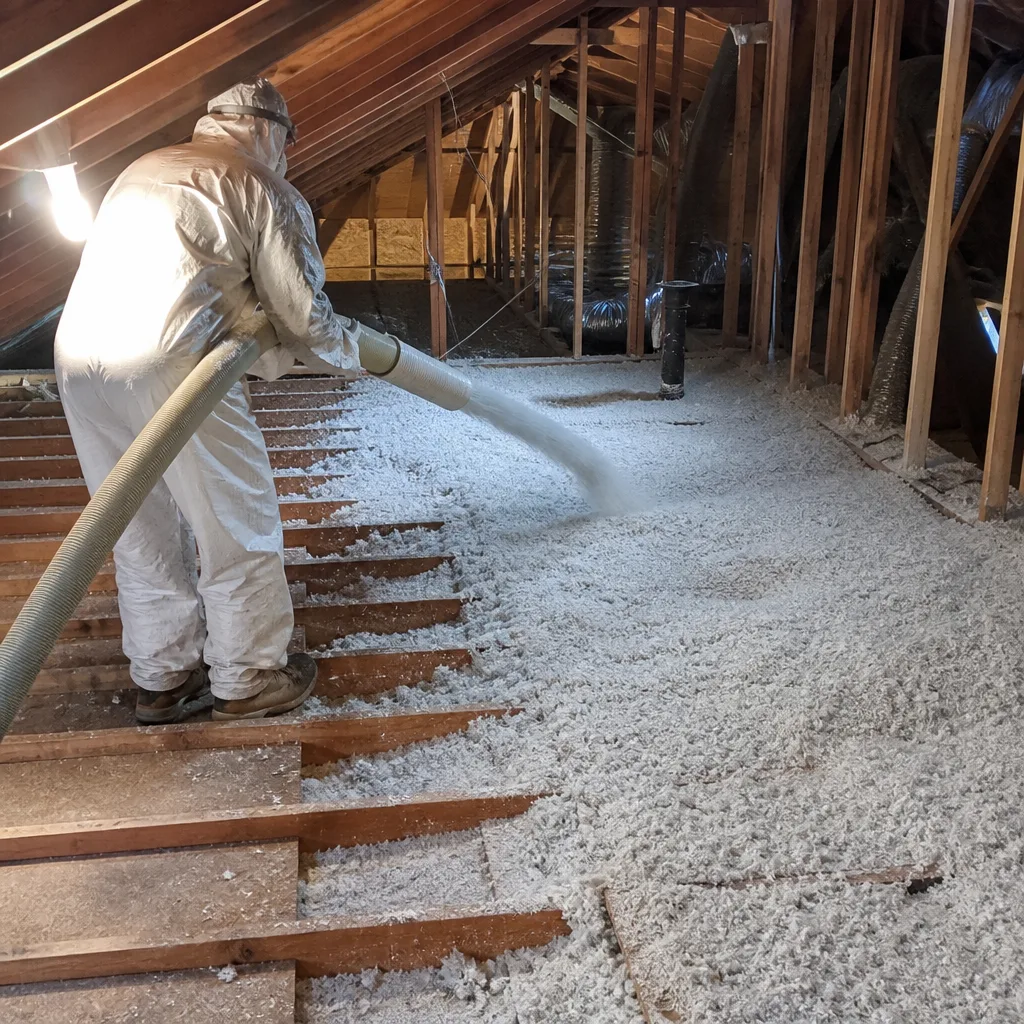
The homeowners who catch insulation problems early share one habit: they keep a file, physical or digital, with specific documents from every attic-related trade that has ever worked on their home. Here’s what belongs in it.
Original installation report. Should include: installed thickness, specified settled thickness (with over-blow factor noted), product manufacturer and type, coverage area in square feet, and bags used. If your installer used Owens Corning, Johns Manville, GreenFiber, or another brand, the report should name it. No report? That’s a red flag about the quality of the initial job.
Depth-rod photo with date. A photo showing a ruler or measuring stick against insulation depth, with the date visible in frame or in metadata. Best practice: one photo at install, one at one-year anniversary. Compare them. If your installer didn’t provide this, you can create your own baseline now.
Blower-door numbers, if air sealing was performed. The report should show CFM50 before and after, test date, and technician name. A single number without context is less useful; the delta between before and after proves the work. We’ve delivered these numbers on every applicable job since 2016.
Seasonal inspection photos. Your own March and October documentation, dated, with measurements visible. Over years, these reveal trends: gradual settling, sudden disturbance from rodent activity, or air-washing progression.
Any repair or top-off records. Date, scope, product used, thickness added, and contractor documentation. If you’ve had rodent proofing done, include that scope; it affects where future activity is likely.
This file is your evidence if performance degrades and you need to determine whether a warranty applies, whether a contractor’s work failed, or whether conditions changed. Under Haven Standard: Have it in writing, we deliver written scope and written warranty before any work starts, and we expect homeowners to keep both.
Santa Clarita-Specific Maintenance Triggers
Santa Clarita’s climate and geography create insulation stressors that don’t apply uniformly across Southern California. These four triggers should move you to an unscheduled attic inspection.
Diablo wind events. The northeast winds that peak in spring and fall carry fine dust, seed pods from chaparral, and occasional embers through soffit vents. After any wind event over 40 mph, check soffit baffles and ridge vents for blockage. In Canyon Country and Sand Canyon, where homes interface directly with open space, debris load is higher than in central Valencia.
Rodent pressure from adjacent open space. Santa Clarita’s hillside neighborhoods, Stevenson Ranch, and areas near the Santa Clara River corridor see consistent roof rat and mouse pressure. These rodents don’t hibernate; winter attic invasions spike when outdoor temperatures drop. Compression trails in insulation are often the first sign before you hear scratching or see droppings in living spaces.
Monsoon-season humidity spikes. July through September can bring brief but intense humidity, particularly when remnant moisture from Gulf of California systems pushes inland. Attic relative humidity can spike above 75% for 48-72 hours. If your vapor barrier is compromised or bathroom fans vent into attic space rather than through the roof, this is when damage occurs. Check insulation below all vents after the first September cool-down.
Wildfire smoke and ash intrusion. Major fire events, increasingly common in Los Angeles County, pressurize attic spaces with smoke-laden air. Ash particles are fine enough to penetrate small envelope leaks and deposit in insulation. After any significant regional fire event with local air quality alerts, inspect attic insulation color; gray or black uniform discoloration may indicate smoke intrusion that affects indoor air quality.
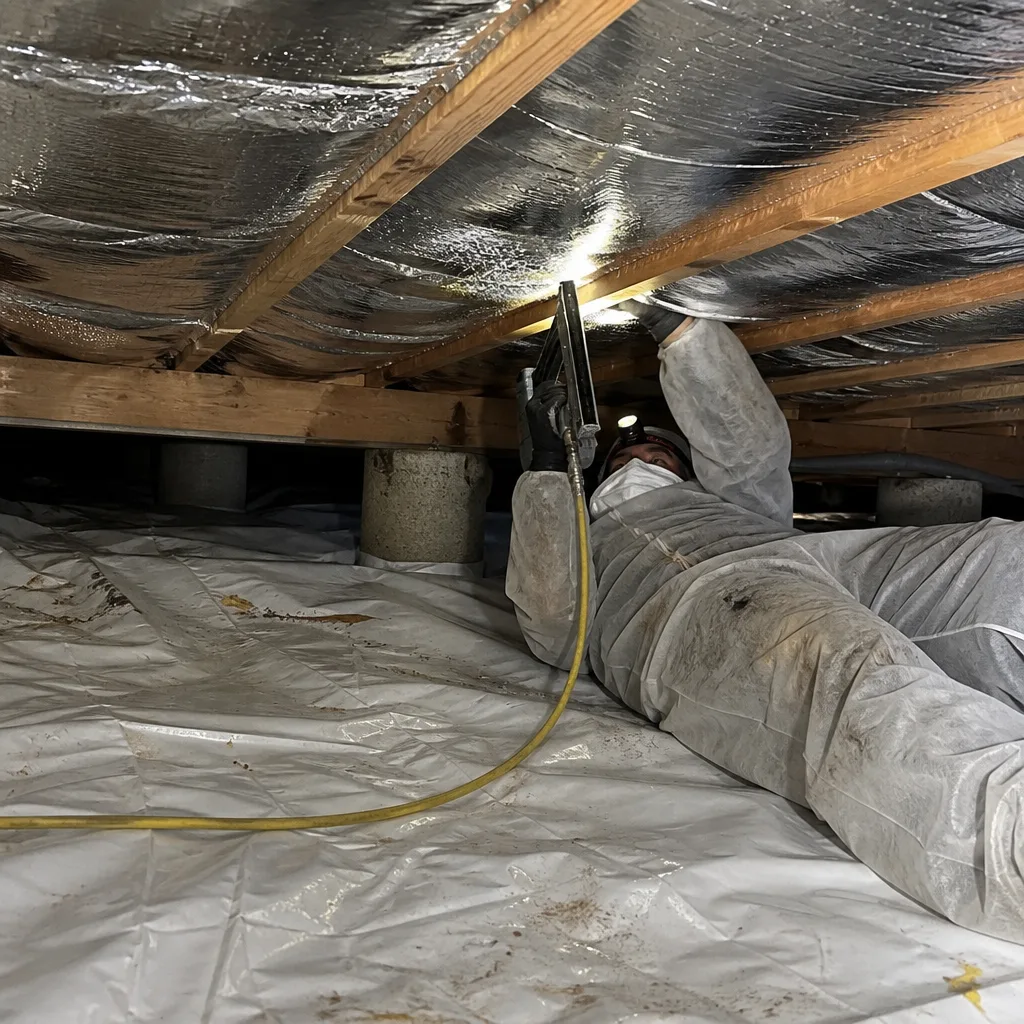
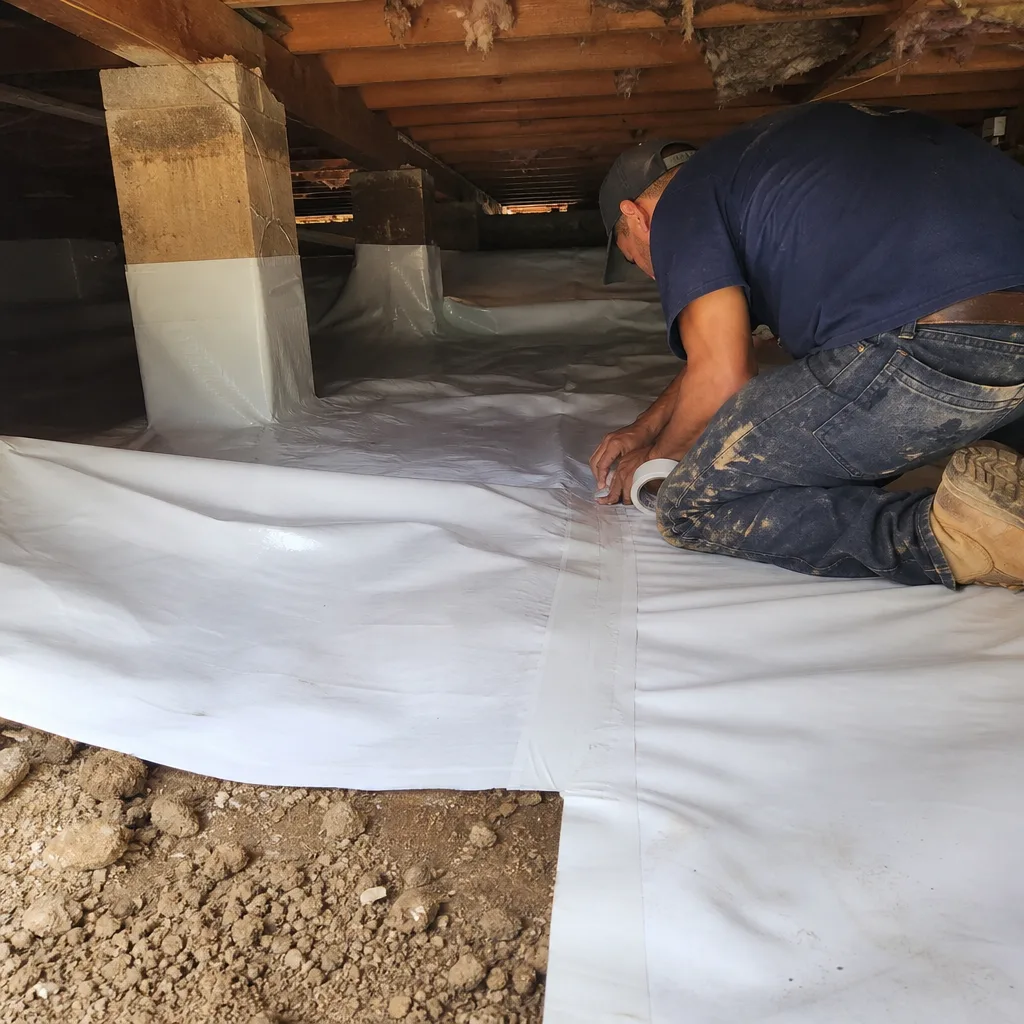
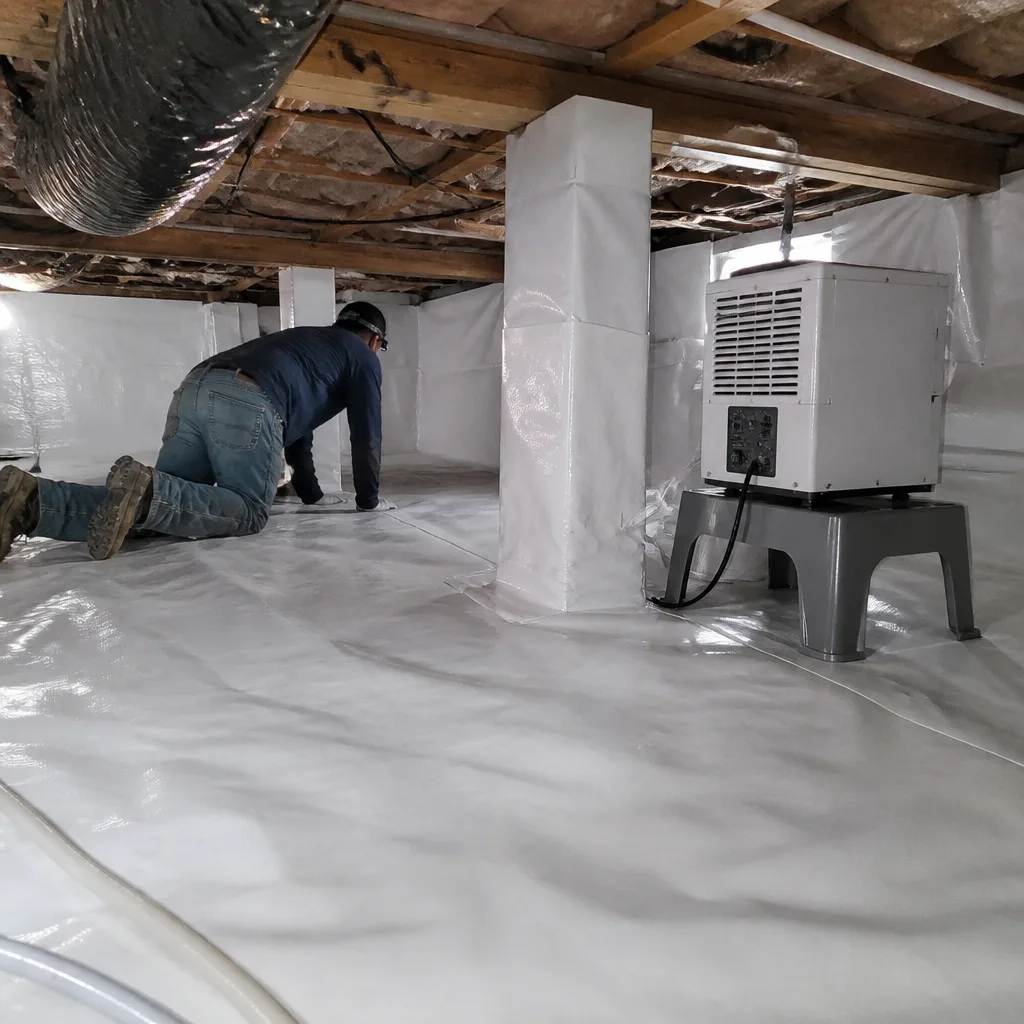
For homes with Crawl Space Encapsulation & Vapor Barrier in Santa Clarita, note that attic and crawl space conditions interact. A sealed crawl space changes pressure dynamics in the living space, which can alter attic airflow patterns. If you’ve encapsulated recently, add an attic inspection to verify that the changed envelope dynamics haven’t exposed new air-washing paths.
Pass/Fail Thresholds: Top-Off vs. Full Replacement
Not every depth loss requires the same response. These thresholds, based on California Title 24 requirements and our field data from Santa Clarita homes, guide the decision.
| Condition | Threshold | Recommended Action | Documentation to Request |
|---|---|---|---|
| Settled depth, cellulose | 10 inches or above | Monitor; schedule next inspection | None |
| Settled depth, cellulose | 8-10 inches | Measured top-off to restore R-38 | Written scope with target settled depth, product spec, coverage area |
| Settled depth, cellulose | Below 8 inches | Full assessment for tear-out and replacement | Written scope, moisture assessment, blower-door test if air sealing included |
| Settled depth, fiberglass batts | 11 inches or above | Monitor | None |
| Settled depth, fiberglass batts | 9-11 inches | Top-off or batt replacement in deficient areas | Written scope with patch plan or full replacement |
| Rodent compression trails | Any confirmed activity | Removal of affected material, rodent proofing, replacement | Photo documentation of affected area, written rodent proofing scope, replacement spec |
| Moisture staining or mold | Any confirmed wetting | Source moisture, remove affected material, replace after dry verification | Moisture source identification, dry verification log, replacement spec |
| Air-washing discoloration | Visible dark staining at joist edges or penetrations | Air sealing first, then insulation replacement in affected zones | Blower-door test before and after air sealing, written air sealing scope, replacement spec |
Before any contractor begins work, request: a written price before any work starts, a written scope with specific thickness and R-value targets, a written warranty, and a commitment to photo documentation. Under Haven Standard Clause 1, flat price, written scope, written warranty before anyone lifts a tool. No exceptions. We’ve operated this way since 2016, and we review competing quotes with homeowners who want a free second opinion on any written estimate they’ve received.
Common Mistakes to Avoid
- Adding insulation over unsealed air leaks. New fill just filters the air that’s still escaping. The blower-door number won’t move, and you’ll be back in three years with the same problem plus more insulation to remove.
- Trusting visual depth without measuring. Fluffed cellulose can look deep and measure shallow, especially near attic hatches where installers often over-blow for appearance. Measure at three points, every time.
- Ignoring soffit baffle blockage after wind events. Santa Clarita homeowners who skip post-Diablo checks often discover blocked baffles only when moisture damage appears, months later, in insulation directly below.
- Topping off over rodent-contaminated material. Fresh insulation over compressed runs buries evidence and can trap odors. The correct sequence: remove, proof, replace.
- Assuming all insulation products settle the same. GreenFiber cellulose settles differently than Owens Corning fiberglass, which behaves differently than Johns Manville mineral wool. Your maintenance schedule should match your specific material.
- Discarding original documentation. The install report with settled-thickness specification is your warranty baseline. Without it, you’re guessing whether current depth represents failure or normal behavior.
- Waiting for high bills to inspect. By the time cooling costs spike in a Santa Clarita summer, you’ve already lost a season of efficiency. The March inspection catches problems before the load peaks.
When to Call a Professional
Call for assessment when: settled depth falls below the thresholds above, you find moisture staining or mold, you confirm rodent activity, or you see air-washing discoloration and don’t know the air sealing status of your attic floor. Also call if your home was built before 1990 and has never had a blower-door test; the baseline envelope performance is likely poor, and insulation maintenance alone won’t fix it.
Topside Attic Insulation Santa Clarita offers free estimates in Santa Clarita. We’ll measure your current depth against your original spec, run a blower-door test if air sealing is in scope, and give you a written price before any work starts. Call (747) 294-2764. Every job closes with a Documented Photo Record; on applicable jobs, you’ll receive before-and-after blower-door numbers so you can verify the result we delivered.
Frequently Asked Questions
A professional inspection with depth measurement, moisture check, and basic documentation runs $150-$250 from most contractors. Top-off work to restore settled depth typically ranges from $1.20-$1.80 per square foot for cellulose, depending on access difficulty and current depth. Full tear-out and replacement with air sealing starts around $3,500 for a 1,500 square foot attic in Santa Clarita and scales with complexity. Call (747) 294-2764 for a written price on your specific attic; estimates are free.
Homeowners can safely perform the seasonal checklist in this guide: visual inspection, depth measurement, debris clearing from baffles, and photography. Do not disturb vermiculite insulation, which may contain asbestos and requires professional testing. Do not enter attics with active moisture leaks or compromised structural decking. For air sealing, insulation removal, or any work involving electrical or combustion appliance venting, hire a professional; attic falls and electrical contact are serious hazards. Our DIY vs Professional Insulation: The Santa Clarita Homeowner’s Decision Guide breaks down what you can safely handle and when to call in help.
Properly installed, undisturbed cellulose or fiberglass in a sealed attic can perform for 20-30 years. In practice, Santa Clarita’s wind, rodent pressure, and occasional monsoon moisture mean most homes need significant intervention every 10-15 years. The key variable is whether the attic floor was properly air sealed at installation; unsealed attics degrade faster. Your documentation file, with annual depth measurements, will tell you when your specific installation is trending toward failure.
California Title 24, as adopted by Los Angeles County, specifies R-38 minimum for attic insulation in climate zone 9, which includes Santa Clarita. New construction and complete re-roof replacements may trigger higher requirements. R-38 translates to approximately 10 inches of settled cellulose or 11-12 inches of fiberglass batt, depending on product density. Always verify your specific product’s settled R-value per inch; manufacturers like Owens Corning and Johns Manville publish this data, and your installer should have recorded it.
Darkening insulation is usually air-washing: dust-laden attic air moving through the material and depositing particulate. The air is moving because your attic is pressurized, typically by duct leakage or an unsealed attic floor drawing conditioned air upward. The dirt is a symptom; the pressure differential is the disease. Cleaning or replacing insulation without air sealing just resets the clock. A blower-door test identifies the leak paths; sealing them stops the air-washing at its source.
Spray foam at the roofline creates a conditioned attic that eliminates the hot, ventilated space above your insulation. In Santa Clarita’s extreme summer attic temperatures, this can reduce cooling load significantly and eliminates most air-washing risk. The trade-off is higher upfront cost, typically 2-3x blown cellulose for equivalent performance. For homes with complex ductwork in the attic, frequent rodent problems, or chronic air-washing, Spray Foam Insulation in Santa Clarita is often the better long-term investment. For attics with good existing air sealing and simple geometry, a top-off of blown cellulose or fiberglass remains cost-effective.
The Bottom Line
Attic insulation in Santa Clarita degrades through settling, rodent compression, moisture damage, and air-washing, each with distinct visual signatures and different repair scopes. Explore more guides & resources for deeper dives on each failure mode. A twice-yearly inspection, measuring depth at three points and checking for the specific damage patterns described here, catches problems before they drive major efficiency loss. Keep your original installation report, depth-rod photos, and seasonal inspection records in one file; this documentation determines whether you’re looking at a measured top-off or a full tear-out. When in doubt, measure rather than guess, and don’t add new insulation over unsealed leaks or contaminated old material. The 9,000+ homes we’ve sealed and insulated since 2016 share one trait with the well-maintained attics in this guide: the owners knew what they had before they decided what to do next.
Written by Wes Okafor, Owner at Topside Attic Insulation Santa Clarita, serving Santa Clarita since 2016.