
Last updated September 23, 2026
Insulation Permits, Codes & Inspections in CA: What You Need to Know
A permitted attic insulation job in California often requires a HERS rater sign-off, a step that runs $150-$300 and that many contractors in the Santa Clarita Valley quietly skip. The permit closes, the homeowner pays, and two years later the disclosure packet turns up a code gap that stalls escrow. This guide walks through what Title 24 actually requires, when a permit is mandatory in Los Angeles County, what the inspection sequence looks like, and the specific documents you should walk away with. For more guides & resources, visit our blog. If you’re replacing insulation in a Santa Clarita home built before 1990, the rules that applied then do not protect you now.
Quick Answer
In California, insulation work requires a building permit when it involves new construction, additions, or replacement of existing insulation in conditioned spaces. Most attic and wall insulation jobs in Los Angeles County trigger HERS verification under Title 24 Part 6, meaning a certified rater must confirm R-values and air-sealing performance before final inspection. The homeowner should receive copies of the CF2R and CF3R forms, the final inspection card, and the permit completion record.
Table of Contents
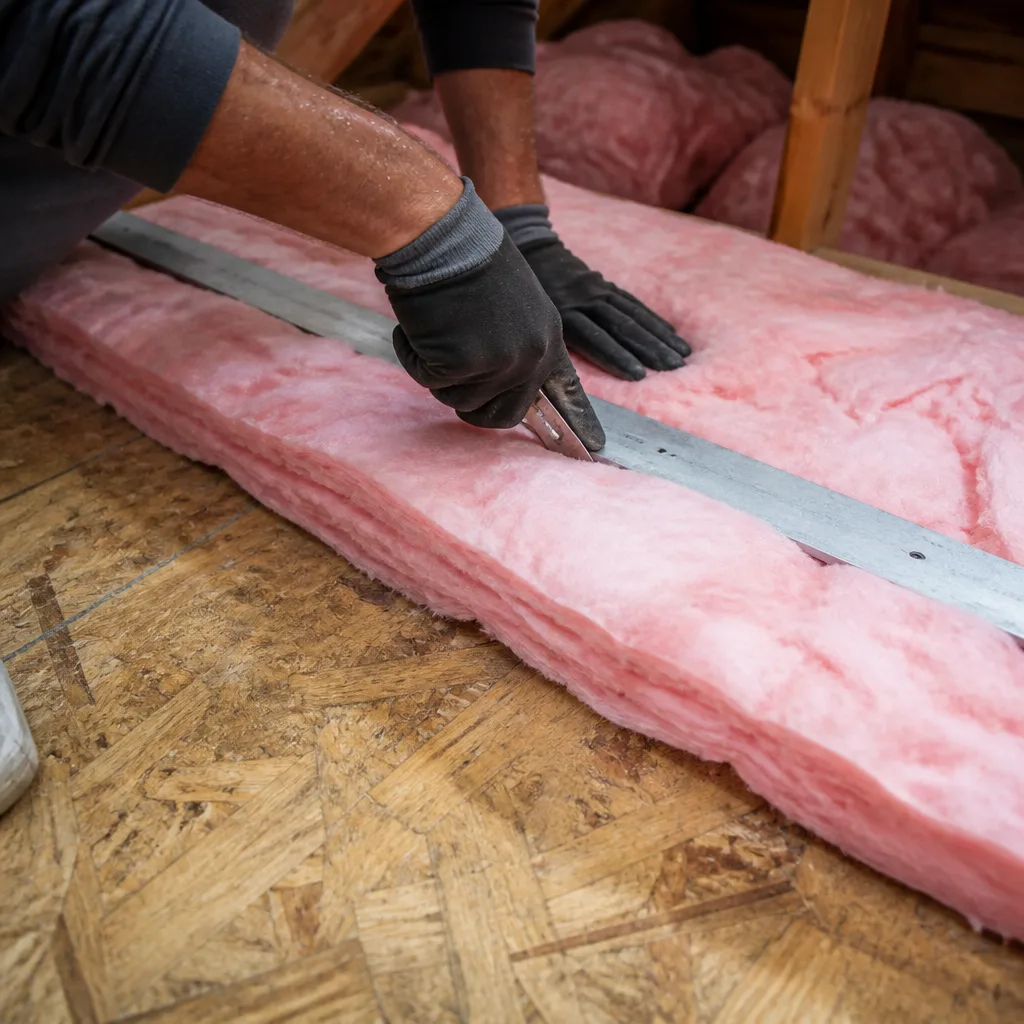
- When Is a Permit Legally Required in Los Angeles County?
- Title 24 R-Value Minimums by Assembly Type
- HERS Verification: What Actually Gets Checked
- The “Grandfathered” Myth: Older Homes and Replacement Work
- Permit-to-Final Checklist: The Complete Sequence
- Santa Clarita-Specific Considerations
- The Document Set You Retain at Job Completion
- How to Evaluate Contractor Bids Against Code Requirements
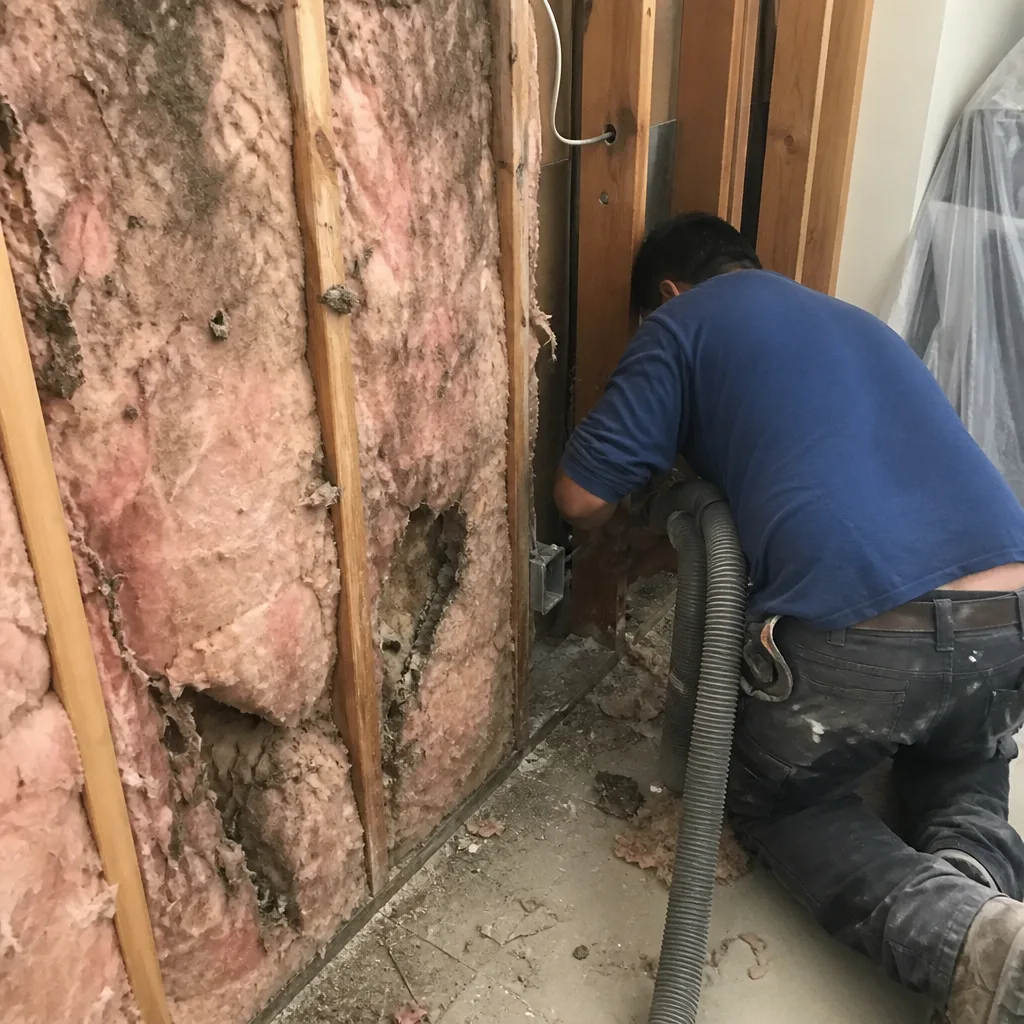 Before
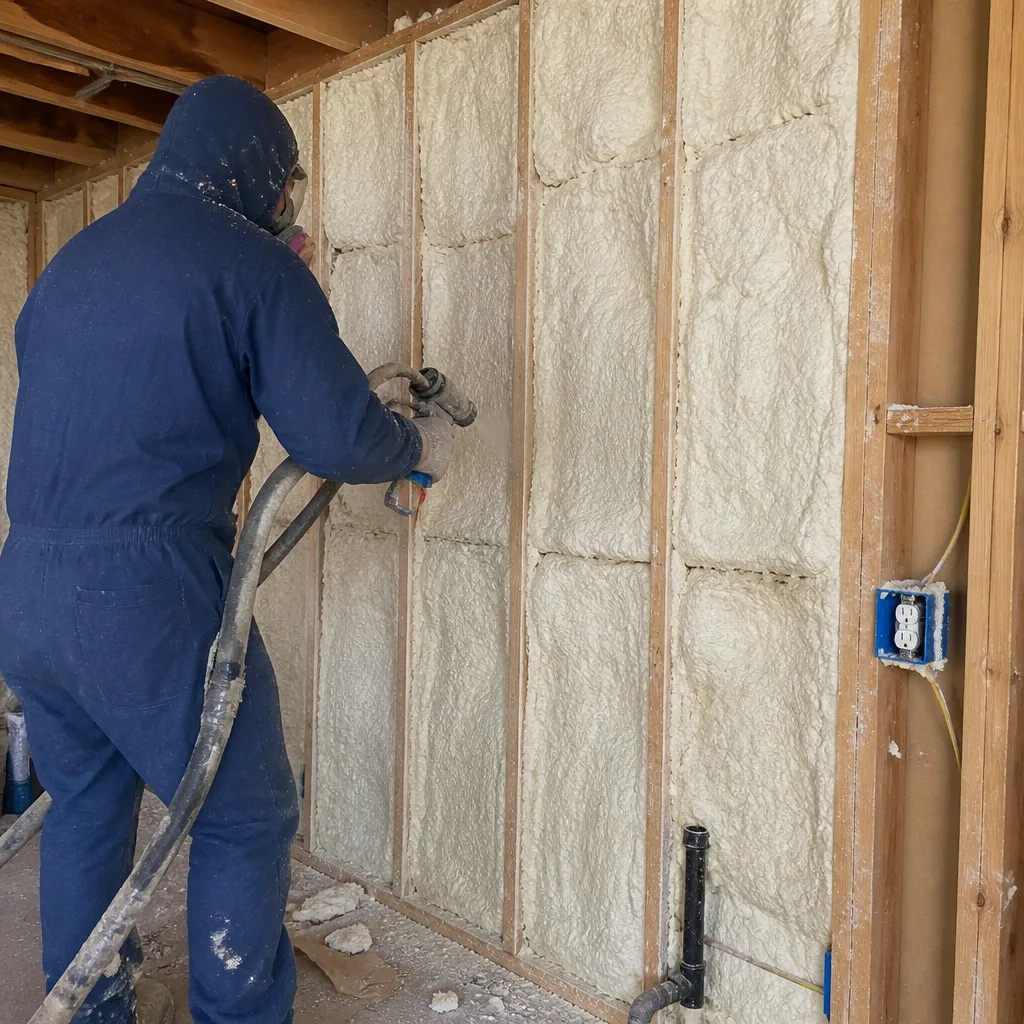 After
AfterWhen Is a Permit Legally Required in Los Angeles County?
Los Angeles County follows the 2022 California Building Code, which defers to Title 24 Part 6 for energy efficiency requirements. The permit trigger is not whether you’re adding insulation where none existed, but whether you’re altering the thermal envelope of a conditioned space.
Here’s the breakdown that matters in practice:
- New construction or additions: Always permitted. No threshold.
- Replacement of existing insulation in attics, walls, or raised floors: Requires a permit if the assembly is part of the conditioned space envelope. This covers nearly every attic job we see in Santa Clarita, where HVAC ducting runs through the attic and the ceiling plane forms the thermal boundary.
- Addition of insulation to an uninsulated assembly: Always permitted. The assembly is being altered.
- Minor repairs under 10 square feet: Typically exempt, though this exemption is rarely relevant for whole-attic work.
The square footage threshold that triggers mandatory HERS verification is where contractors often mislead. Under the 2022 Energy Code, any alteration to the building envelope that involves 75 square feet or more of insulation, or any addition of new insulation to an uninsulated assembly, requires HERS field verification. A typical Santa Clarita attic runs 800-1,500 square feet. Nearly every job clears this threshold.
Some contractors will suggest pulling a “repair” permit or no permit at all, claiming the work is maintenance. This is incorrect for thermal envelope alterations. The Los Angeles County Department of Building and Safety treats insulation replacement as an alteration, not maintenance, because it changes the energy performance characteristics of the structure.
We’ve reviewed competitor bids in Santa Clarita that omitted the HERS rater line item entirely. The homeowner sees a lower number, signs, and only discovers the gap when the permit can’t close or when resale disclosure reveals incomplete documentation. Under Haven Standard Clause 1, we put the permit and HERS costs in writing before any work starts. No exceptions.
Title 24 R-Value Minimums by Assembly Type
Title 24 Part 6, Section 150.0 and Joint Appendix JA4 specify the minimum thermal performance for each assembly type. Santa Clarita sits in California Climate Zone 9, which shares R-value tables with the hot-dry inland valleys. Contractors frequently quote R-30 for attics because it was the standard a decade ago. The current minimum for altered attic ceilings in Climate Zone 9 is higher.
The table below shows the 2022 code minimums for altered assemblies. These are the values a HERS rater will verify with a probe or thermal imaging:
| Assembly Type | 2022 Title 24 Minimum R-Value (Climate Zone 9) | JA4 Table Reference |
|---|---|---|
| Attic ceiling (vented, pitched) | R-38 | JA4.4.1 |
| Attic ceiling (flat, vented) | R-38 | JA4.4.1 |
| Wood-framed wall cavity | R-13 cavity + R-5 continuous, or R-15 cavity + R-3.8 continuous | JA4.4.2 |
| Raised floor over unconditioned space | R-19 | JA4.4.3 |
| Crawl space wall (when conditioned) | R-15 continuous | JA4.4.4 |
These are minimums for altered assemblies. New construction has higher requirements. The “or” options for walls reflect the prescriptive path versus the performance path; a HERS rater can confirm which path your job follows.
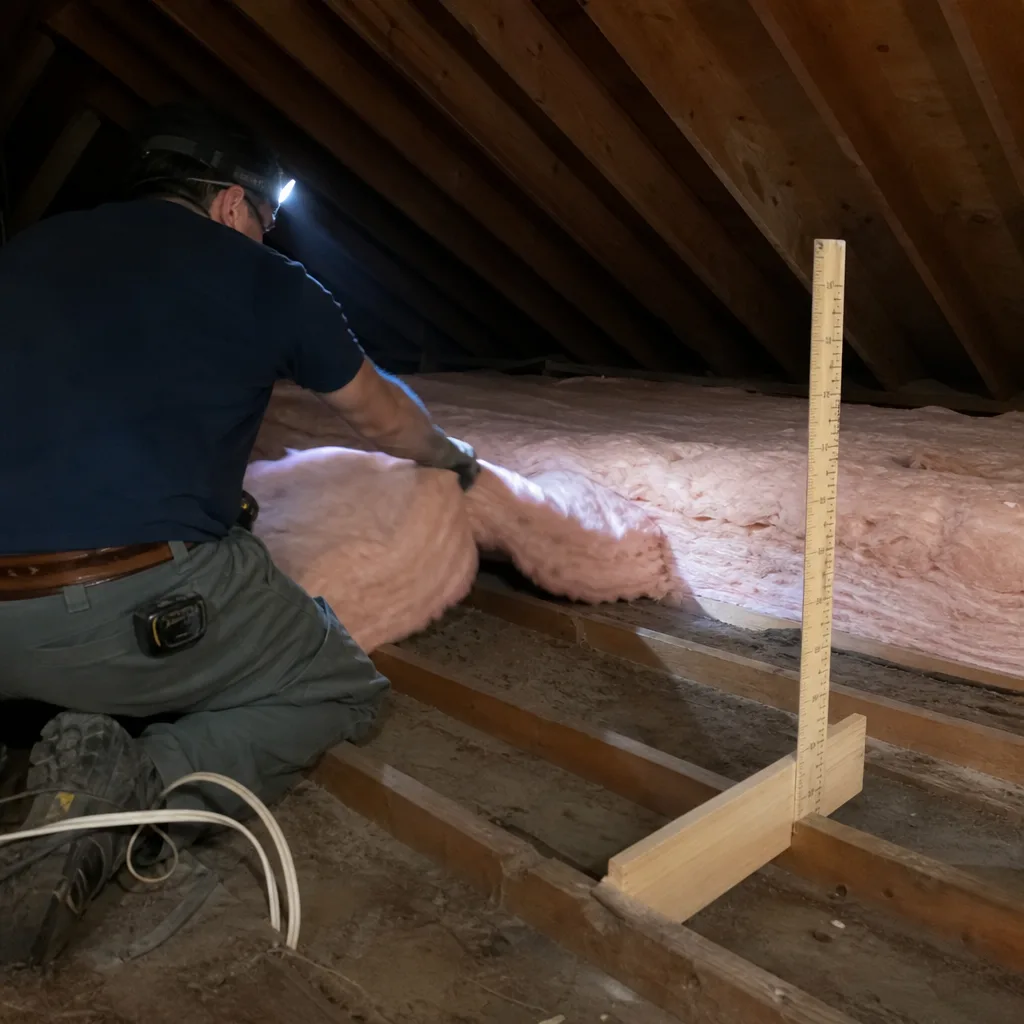
The R-value must be achieved across the full assembly, not just at the point of maximum insulation. A common failure mode in Santa Clarita attics: blown-in fiberglass or cellulose, like GreenFiber loose-fill, achieves R-38 at the center of the bay but drops to R-19 at the eaves where baffles restrict depth. The HERS rater checks multiple points. If the eaves don’t meet minimum, the assembly fails.
We specify target depth on every written scope, accounting for settled density, and we photograph the depth stick at multiple locations for the Documented Photo Record. The homeowner sees exactly what was installed, where.
HERS Verification: What Actually Gets Checked
HERS, or Home Energy Rating System, is California’s protocol for verifying that energy features are installed correctly. A HERS rater is a third-party certificant accredited by the California Energy Commission, not an employee of the contractor or the building department. Their role is verification, not advocacy.
For insulation jobs, the HERS rater performs field verification and diagnostic testing. Here’s what that involves:
- Visual inspection of installed insulation: The rater verifies type, depth, coverage, and absence of gaps or compression. They probe multiple locations per assembly.
- R-value confirmation: For blown-in products, the rater checks installed depth against manufacturer-settled density tables. For batts, they check for full contact with the air barrier and no voids.
- Air barrier continuity: The rater examines whether the insulation has an intact air barrier on at least one side. In attics, this is typically the ceiling drywall below. Top plates, electrical penetrations, and can lights must be sealed before insulation covers them.
- Quality insulation installation (QII) verification: If the job claims QII compliance for a performance credit, the rater checks additional criteria: uniform coverage, no thermal bridging at framing members, proper installation around obstructions.
The rater documents findings on two forms:
- CF2R (Certificate of Field Verification and Diagnostic Testing): The pre-installation or rough inspection form. For insulation, this often documents the pre-existing condition and any air-sealing work performed before insulation goes in.
- CF3R (Certificate of Field Verification and Diagnostic Testing): The final verification form, signed after installation is complete and inspected. This is the document that proves code compliance.
Both forms are filed with the California Energy Commission’s HERS registry. The homeowner should receive copies. We include them in every job packet we deliver in Santa Clarita, along with the blower-door results when applicable.
The cost of HERS verification in the Santa Clarita market typically runs $150-$300 for a standard attic job, depending on assembly complexity and whether QII is claimed. Some raters charge travel fees for the Santa Clarita Valley given its distance from the denser HERS rater populations in the San Fernando Valley. We disclose this in our written price.
The “Grandfathered” Myth: Older Homes and Replacement Work
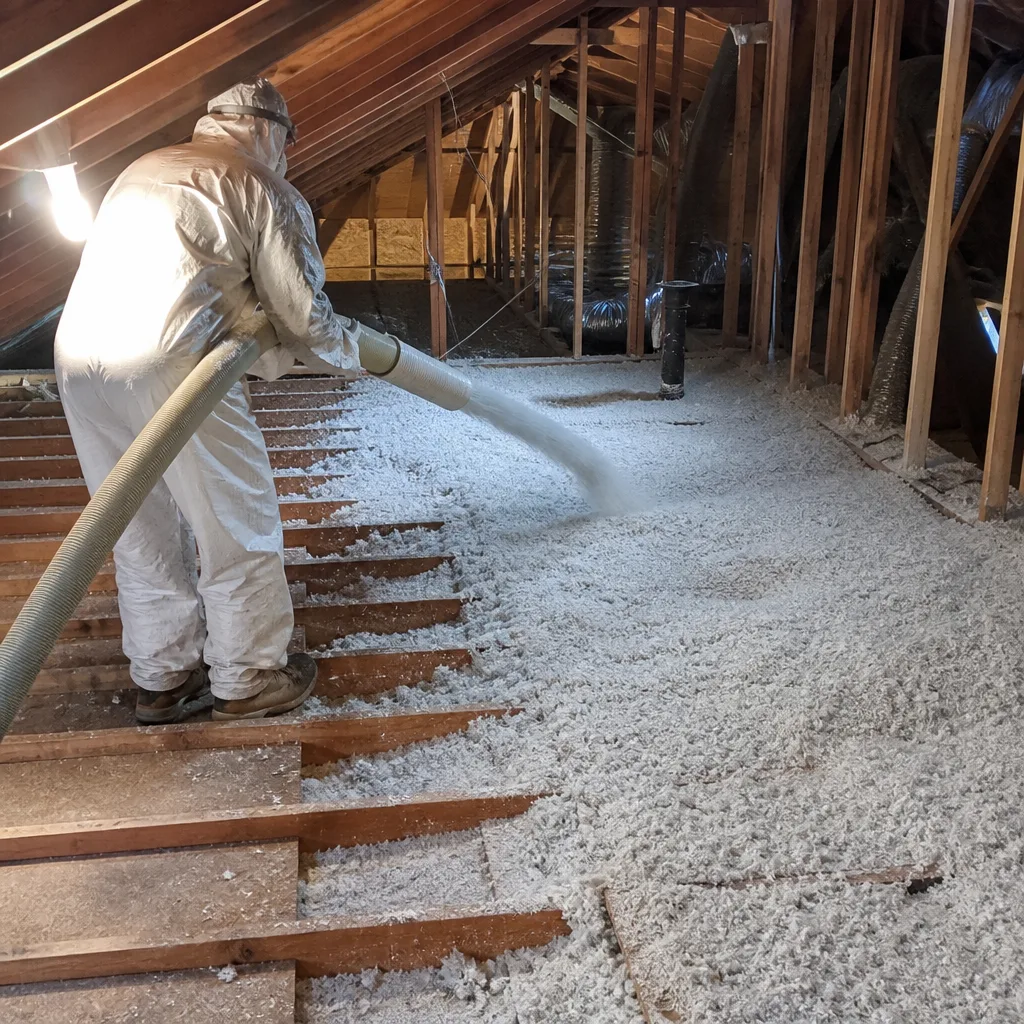
The most common misstatement we hear from Santa Clarita homeowners: “My house was built in 1978, so it’s grandfathered in.” This is not how the code works for insulation replacement. See our Insulation Warning Signs: A Santa Clarita Homeowner’s Reference Guide for other red flags.
Grandfathering applies to existing conditions that are not altered. Once you disturb an assembly, you trigger current code requirements for that assembly. Replacing attic insulation is, by definition, disturbing the assembly. The 2022 code minimums apply to the new installation.
What this means in practice:
- A 1978 home with R-19 attic insulation can keep that R-19 indefinitely, provided no one touches it.
- The moment a contractor removes or covers that R-19 with new material, the new material must meet current R-38 minimum for Climate Zone 9.
- The permit application will flag the job as an alteration, not a repair, and the inspector will enforce current standards.
We’ve encountered homes in Canyon Country and Saugus where a previous owner installed new insulation without a permit, claiming grandfathered status. The work was done to R-30, which was compliant in 2008 but not today. At resale, the buyer’s inspector flagged the lack of permit and the sub-code insulation. The seller had to pull a retroactive permit, upgrade to R-38, and pay HERS verification plus penalties. The original “savings” from skipping the permit cost tenfold.
The Haven Standard approach: we document the existing condition with photos, specify the code-required upgrade in writing, and pull the permit before we arrive. The homeowner knows exactly what they’re getting and what they’re paying for.
Permit-to-Final Checklist: The Complete Sequence
Understanding the sequence helps you track whether your contractor is following protocol. Here’s the full flow for a typical attic insulation replacement with HERS verification in Los Angeles County:
- Permit application: Contractor submits to LADBS or the relevant city jurisdiction. Santa Clarita has its own building department for permits within city limits; unincorporated county areas fall to LADBS. The application specifies the scope: insulation type, target R-value, and whether HERS is triggered.
- Plan check (if required): Simple insulation replacements often qualify for over-the-counter permits. Complex jobs, or those involving structural modifications to accommodate insulation, may require plan review. Timeline: same day to two weeks.
- Permit issuance: The permit card is posted on-site. Work may begin.
- Rough inspection (optional but recommended): For jobs with significant air sealing, we request a rough inspection before insulation covers the work. The inspector verifies top plate sealing, can light enclosures, and penetration treatment. This step is not always mandatory but prevents the cost of removing insulation to fix a hidden defect.
- Insulation installation: The contractor installs to the specified depth and coverage. We photograph with depth sticks at minimum six locations per attic.
- HERS field verification: The third-party rater visits, probes insulation, checks air barrier continuity, and completes CF3R. This must occur before final inspection.
- Final inspection: The building inspector verifies the installation matches the approved scope and that HERS documentation is complete. The permit card is signed off.
- Permit closure: The jurisdiction records the job as complete. The homeowner should receive a copy of the final permit record for their files.
Total timeline in Santa Clarita: typically 5-10 business days from permit pull to final, assuming no re-inspections. HES rater scheduling is usually the pacing item; we book raters concurrently with permit application to avoid delays.
The Documented Photo Record we deliver includes date-stamped images from each phase: pre-condition, air sealing completion, insulation depth verification, and final condition. The homeowner has a complete archive independent of the jurisdiction’s records.
Santa Clarita-Specific Considerations
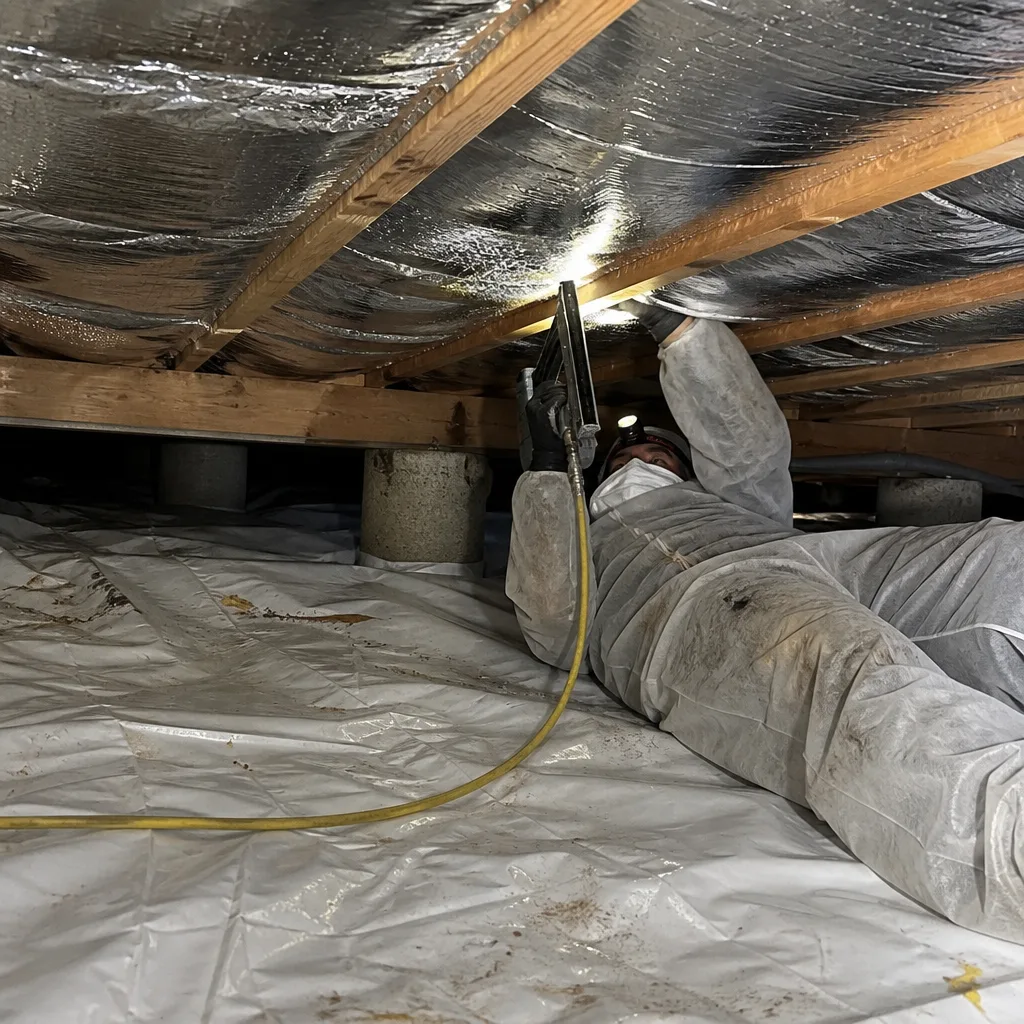
Santa Clarita’s climate and building stock create specific conditions that affect insulation code compliance.
Climate Zone 9 characteristics: Hot, dry summers with temperature swings that stress attic assemblies. Santa Clarita sees 30-40 days above 100°F annually, and attic temperatures can reach 150°F. This makes R-38 not just a code minimum but a practical necessity for HVAC load management. Homes in Sand Canyon or Bouquet Canyon, at higher elevation, see wider diurnal swings that increase stack effect pressure on the envelope.
Building stock age: Much of Santa Clarita’s housing was built between 1965 and 1995, before modern air-sealing practices. These homes typically have:
- Unsealed top plates with visible gaps at drywall joints
- Recessed can lights without IC-rated enclosures or air-sealing boots
- Plumbing and electrical penetrations left open
- Attic access hatches with no weatherstripping or insulation
Blowing insulation over these defects meets the R-value table but fails the spirit of the code, which requires a continuous air barrier. Our blower-door testing in Santa Clarita homes consistently shows 30-50% of total envelope leakage at the ceiling plane. Sealing first, then insulating, is how we achieve both code compliance and performance.
Jurisdiction specifics: The City of Santa Clarita Building and Safety Division processes permits for incorporated areas. Unincorporated pockets near Valencia or Stevenson Ranch may fall to LADBS. We confirm jurisdiction before application to avoid misrouted paperwork.
Fire and ember considerations: Santa Clarita is in a Wildland-Urban Interface zone. Title 24 has specific ignition-resistant construction requirements in Chapter 7A, and some insulation materials face restrictions in very high fire hazard severity zones. Mineral wool products from Rockwool or Owens Corning Thermafiber have favorable fire ratings and are frequently specified in WUI-adjacent homes. We note WUI status on every written scope and specify materials accordingly.
Attic Insulation in Santa Clarita covers our full process for local homes, including blower-door testing protocols specific to Climate Zone 9 conditions.
The Document Set You Retain at Job Completion
The documents you receive at job completion are your protection at resale, your proof of code compliance, and your record for warranty claims. Use our Attic Insulation Maintenance Checklist for Santa Clarita Homeowners to track ongoing care. Here’s what the complete set should include:
- Final permit record: The jurisdiction’s record of permit issuance and final sign-off. In Los Angeles County, this is often available online; we provide the permit number and access instructions.
- CF2R form: Pre-installation HERS documentation, if applicable.
- CF3R form: Final HERS verification, with rater signature and CEC registry number. This is the document that proves your insulation meets Title 24.
- Written scope of work: The original specification, signed by both parties. Under Haven Standard, this includes material type, target R-value, air-sealing details, and pricing.
- Written warranty: Our 365-Day Done Right Promise, in writing, delivered before work starts.
- Documented Photo Record: Date-stamped images of pre-condition, air sealing, insulation installation, and final condition. Included on every job, not available on request.
- Blower-door test results: On applicable jobs, the before-and-after CFM50 readings that quantify air leakage reduction. We publish these numbers so the homeowner can verify the performance change they paid for.
We deliver these in a digital folder within 48 hours of final inspection. The homeowner owns the complete record. If a future buyer’s inspector asks for permit documentation, it’s available in minutes, not days of phone calls to a contractor who may no longer be in business.
We’ve handled free second opinions for Santa Clarita homeowners who received incomplete documentation from prior work. The most common gaps: missing CF3R, no permit record at all, or a permit that closed without HERS verification despite the job size triggering it. In each case, the homeowner faced a choice: accept the liability or pay to remediate. Getting the document set right the first time is cheaper.
How to Evaluate Contractor Bids Against Code Requirements
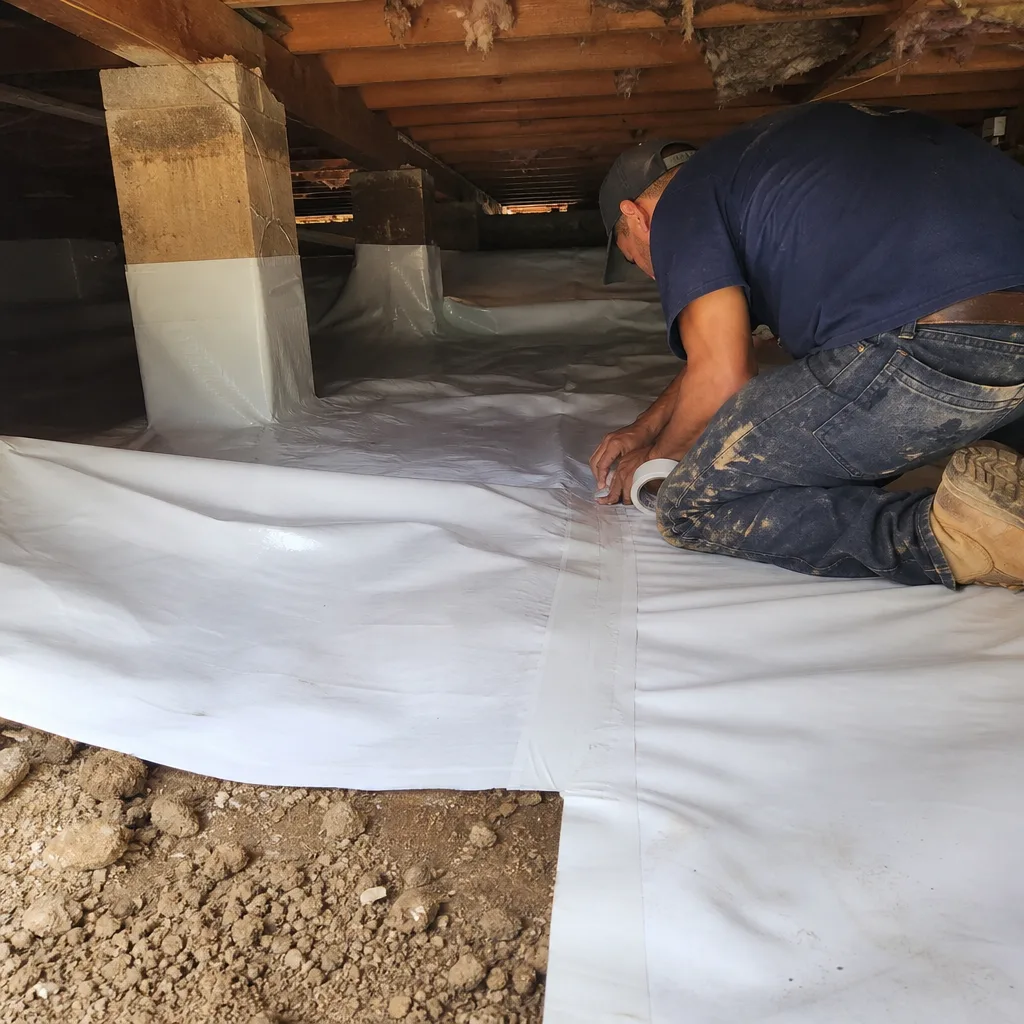
A bid is a specification, not just a price. Here’s how to read it against the requirements this guide has covered.
Check for permit and HERS line items. A bid that says “permit included” without specifying HES verification should raise a flag. Ask directly: “Will this job require HERS, and is that cost included?” If the contractor deflects or says “we’ll handle it,” get clarity in writing.
Verify R-value claims against Title 24. Any bid specifying R-30 for an attic alteration in Climate Zone 9 is below code. R-38 is the minimum. Some contractors quote R-30 for “retrofit” work, claiming an exception. There is no retrofit exception for altered assemblies in the 2022 code.
Ask about air sealing. Title 24 requires a continuous air barrier. A bid that mentions only insulation type and depth, with no air-sealing scope, is incomplete. In Santa Clarita’s older stock, air sealing is typically 20-30% of total job effort. Skipping it produces a code-compliant R-value on paper and a leaky envelope in practice.
Request material specifications. “Fiberglass” or “cellulose” is not a complete specification. The bid should name the manufacturer and product line: Owens Corning AttiCat, GreenFiber All Borate, Johns Manville Climate Pro, etc. This matters for settled density calculations and warranty claims.
Confirm documentation delivery. The bid should state what documents you receive and when. Vague language like “all necessary paperwork” is not a commitment. We specify: “Documented Photo Record within 48 hours, CF3R upon HERS completion, final permit record upon closure.”
Check the warranty. A verbal promise or website claim is not a warranty. The Haven Standard requires a written warranty before work starts. Ask to see it before you sign.
Our Topside Attic Insulation Santa Clarita home page outlines our full bidding process, including how we handle free second opinions on competing estimates.
Common Mistakes to Avoid
- Accepting “permit optional” for attic insulation. In Los Angeles County, thermal envelope alterations require permits. A contractor who suggests otherwise is either misinformed or transferring liability to you. We’ve seen this most often with door-to-door sales operations in Santa Clarita’s older neighborhoods.
- Assuming R-30 is still compliant. The 2019 and 2022 code cycles raised attic minimums. Contractors quoting R-30 for alterations are working from outdated knowledge or hoping you won’t check JA4.4.1.
- Skipping air sealing to save money. Unsealed top plates and can lights can account for 15-25% of total envelope leakage. Insulating over these defects wastes material and creates moisture risk. The code requires a continuous air barrier; a bid without air sealing doesn’t meet this requirement.
- Not requesting CF3R at completion. Some raters file directly with the CEC and don’t provide homeowner copies unless asked. You need this form for your records. We deliver it automatically.
- Pulling a permit after work starts. Los Angeles County can issue a stop-work order and require exposed inspection of covered work. The cost of removing and replacing insulation for inspection exceeds the permit fee several times over.
- Ignoring WUI requirements in fire zones. Santa Clarita’s WUI designation affects material selection. Standard cellulose may face restrictions; treated or mineral wool products may be required. We verify fire hazard severity zone before specifying materials.
When to Call a Professional
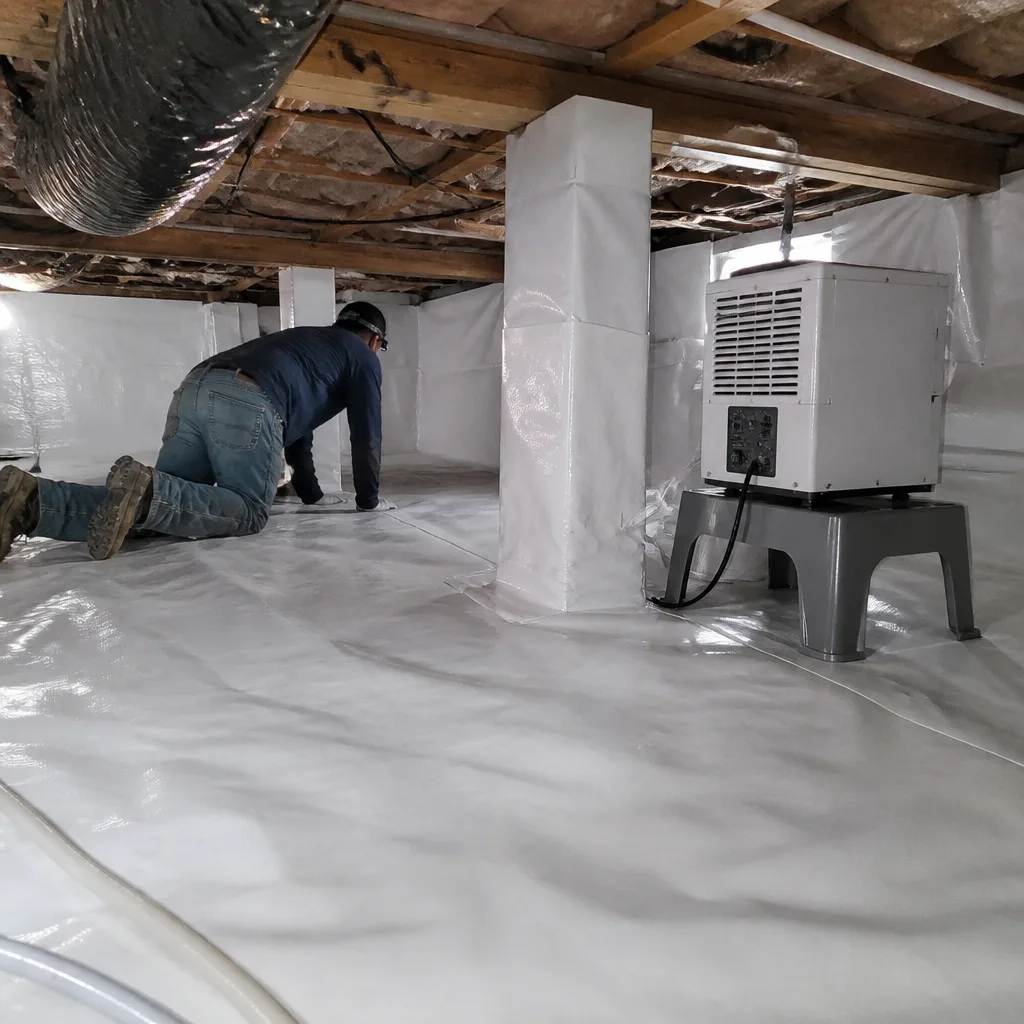
Call a professional when the job involves the thermal envelope of a conditioned space, when HERS verification is triggered, or when you’re unsure whether your home’s age or location affects requirements. The cost of a consultation is minimal against the cost of a failed inspection, a stalled resale, or a sub-code installation that underperforms for decades.
Topside Attic Insulation Santa Clarita offers free estimates in Santa Clarita and the surrounding valley. Every estimate includes a written scope, a written price, and a clear statement of permit and HES requirements for your specific job. Call (747) 294-2764 to schedule. We also provide free second opinions on any written estimate you’ve received, reading it with you against the code requirements this guide has covered.
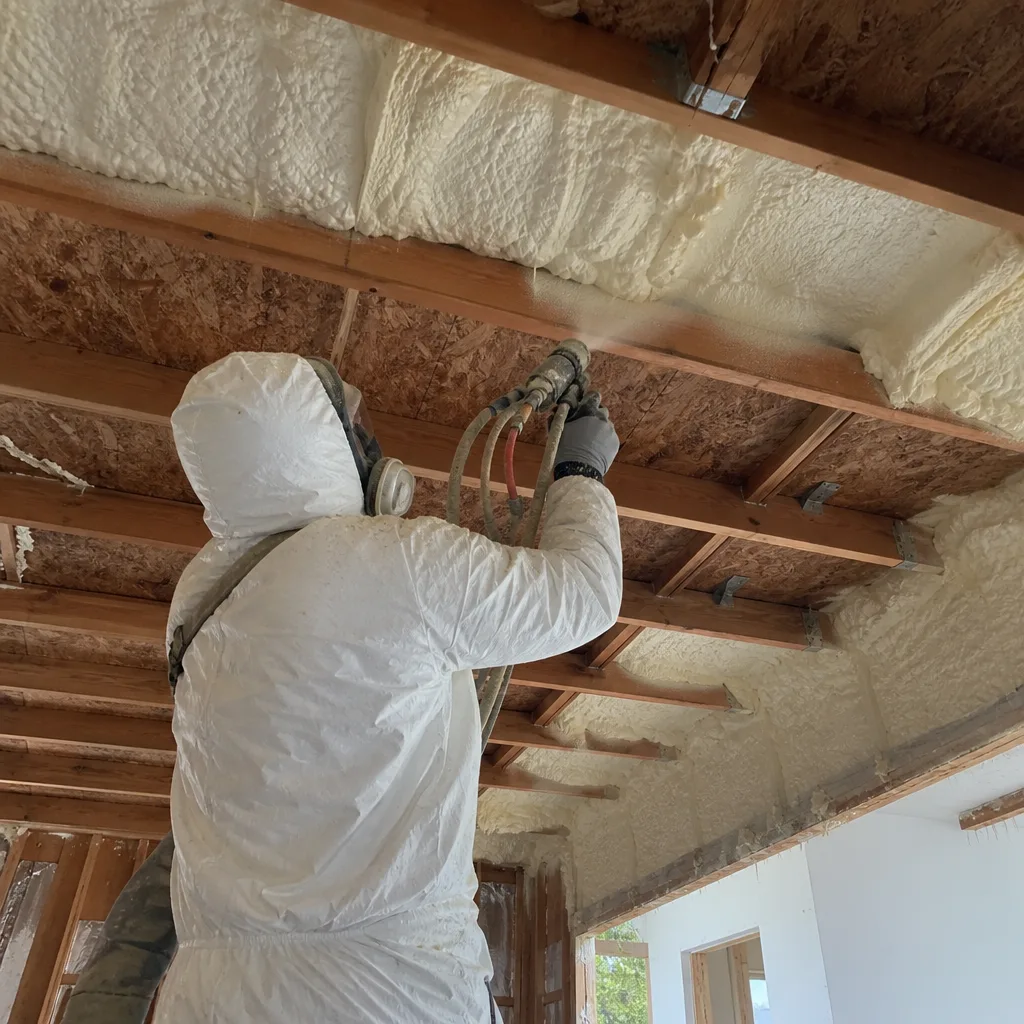
For homes with crawl space moisture issues alongside insulation concerns, our Crawl Space Encapsulation & Vapor Barrier in Santa Clarita service addresses the full envelope. For spray foam applications that may alter the code path, see Spray Foam Insulation in Santa Clarita.
Frequently Asked Questions
Building permit fees for attic insulation in Santa Clarita typically run $200-$500 depending on job valuation, plus HERS verification at $150-$300. The City of Santa Clarita Building and Safety Division publishes a fee schedule online; we include the exact permit cost in our written price before work starts. Call (747) 294-2764 for a free estimate with permit and HES costs itemized.
No. California Building Code Section 105.1 requires permits for alterations to the building envelope, including insulation replacement in conditioned spaces. Homeowner-performed work is not exempt. The permit triggers HERS verification for jobs over 75 square feet, which a homeowner cannot self-certify. We’ve been called to remediate DIY jobs in Santa Clarita where the homeowner faced a stop-work order and had to remove installed insulation for inspection.
You can face several consequences: inability to close the permit at resale, required removal of finished work for inspection, fines from the building department, and voided manufacturer warranties that require code-compliant installation. The homeowner bears this liability, not the contractor, unless the contract specifically assigned permit responsibility to the contractor. We recommend verifying permit status before final payment; Santa Clarita permits can be checked online by address.
You should receive a signed CF3R form with the rater’s CEC certification number. The form is also filed in the CEC HERS registry, which you can access with your address. If your contractor cannot produce the CF3R, or if the CEC registry shows no record, the verification was not completed. We deliver CF3R copies automatically and can walk you through registry lookup.
Spray foam triggers the same permit and HERS requirements, plus additional fire-safety inspections for ignition barrier coverage when used in attics and crawl spaces. The 2022 code requires thermal barrier or ignition barrier protection for spray foam in occupied spaces, with specific exceptions for attics and crawl spaces accessed only for service. Our Spray Foam Insulation in Santa Clarita service addresses these requirements in detail.
Typically 5-10 business days for a standard attic insulation replacement with HERS verification. Permit issuance is often same-day or next-day for over-the-counter applications. HES rater scheduling is the usual variable; we coordinate rater visits concurrently with our installation schedule to avoid gaps. Final inspection usually occurs within 24-48 hours of rater sign-off. We provide a written timeline with every estimate.
The Bottom Line
California’s insulation code is specific, enforceable, and frequently misrepresented. The gap between what a permit requires and what actually gets inspected creates real liability for homeowners who don’t verify the documentation. Know the R-value minimums for your climate zone. Confirm whether HERS verification applies. Demand the CF3R, the final permit record, and a written scope before work begins. In Santa Clarita’s climate and housing stock, proper air sealing is as critical as insulation depth; one without the other fails both the code and the homeowner’s investment. We’ve sealed and insulated over 9,000 homes since 2016, every one with a written price first and a documented record at completion. The Haven Standard exists because the alternative, too often, is a closed permit and an incomplete job.
Written by Wes Okafor, Owner at Topside Attic Insulation Santa Clarita, serving Santa Clarita since 2016.